Late August through October can make getting dressed feel unpredictable. A crisp morning commute may call for a lightweight jacket, while a sunny afternoon still feels like peak summer. Add heavily air-conditioned offices, restaurants, and stores into the mix, and finding an outfit that stays comfortable all day becomes surprisingly difficult.
The key isn’t replacing your wardrobe overnight. It’s learning how to combine breathable summer staples with richer textures, smarter layers, and fall-ready accessories. A simple change in fabric, footwear, or color palette can make an outfit feel seasonally appropriate without adding unnecessary warmth.
Whether you’re heading to the office, meeting friends for brunch, or traveling on a fall weekend, these 15 outfit ideas are designed to help you transition through changing temperatures with confidence.
The Golden Rules of Seasonal Transition Styling
Shift Textures Before Heavy Layers
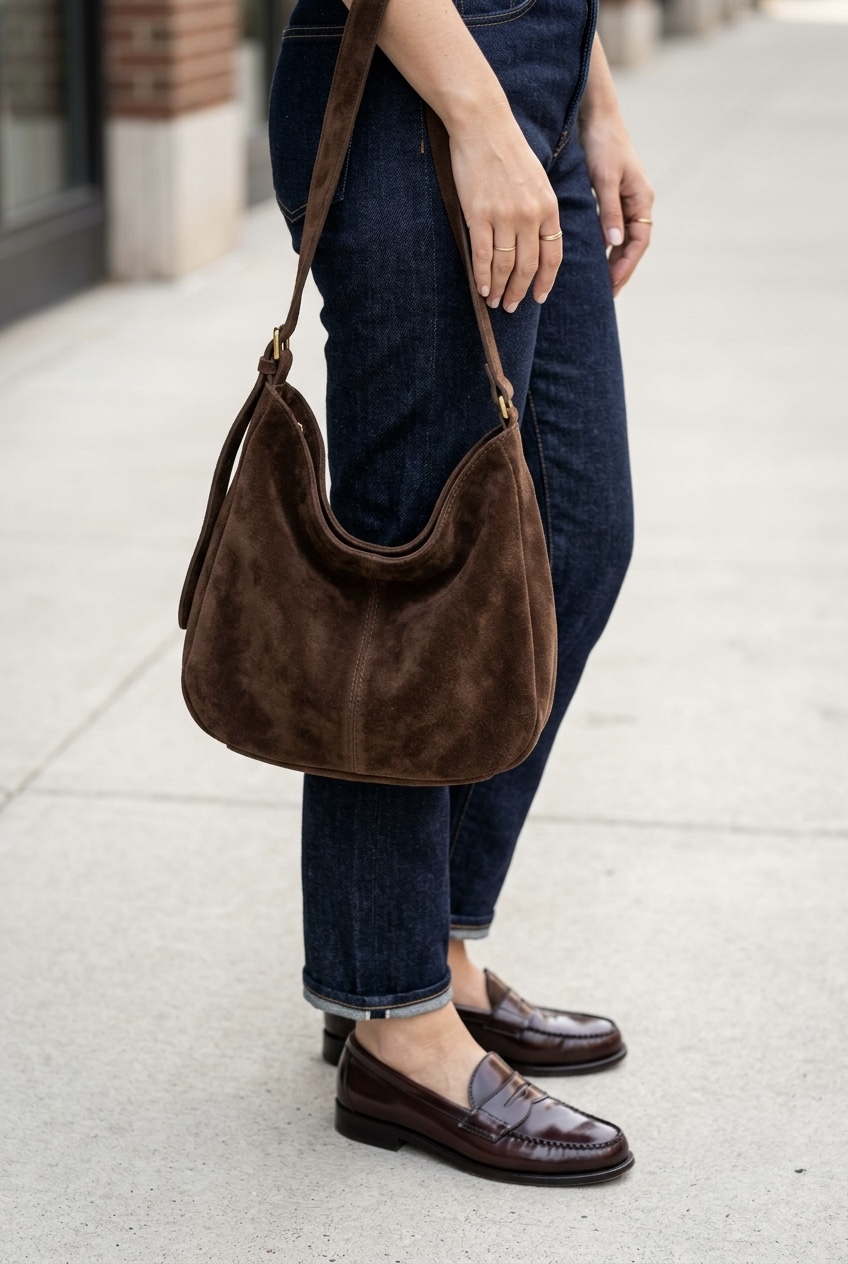
When daytime temperatures are still warm, introducing autumn textures often works better than piling on extra clothing. Swapping a straw tote for a suede shoulder bag or replacing sandals with leather loafers or ballet flats immediately gives an outfit a more seasonal feel while staying comfortable.
Balance Coverage
One of the easiest ways to make transitional outfits feel intentional is to balance proportions. Pair sleeveless tops with full-length trousers or dark-wash denim, or style lightweight sweaters with tailored Bermuda shorts or a midi skirt. The contrast keeps outfits visually balanced while adapting to changing temperatures.
Let Your Shoes Signal the Season
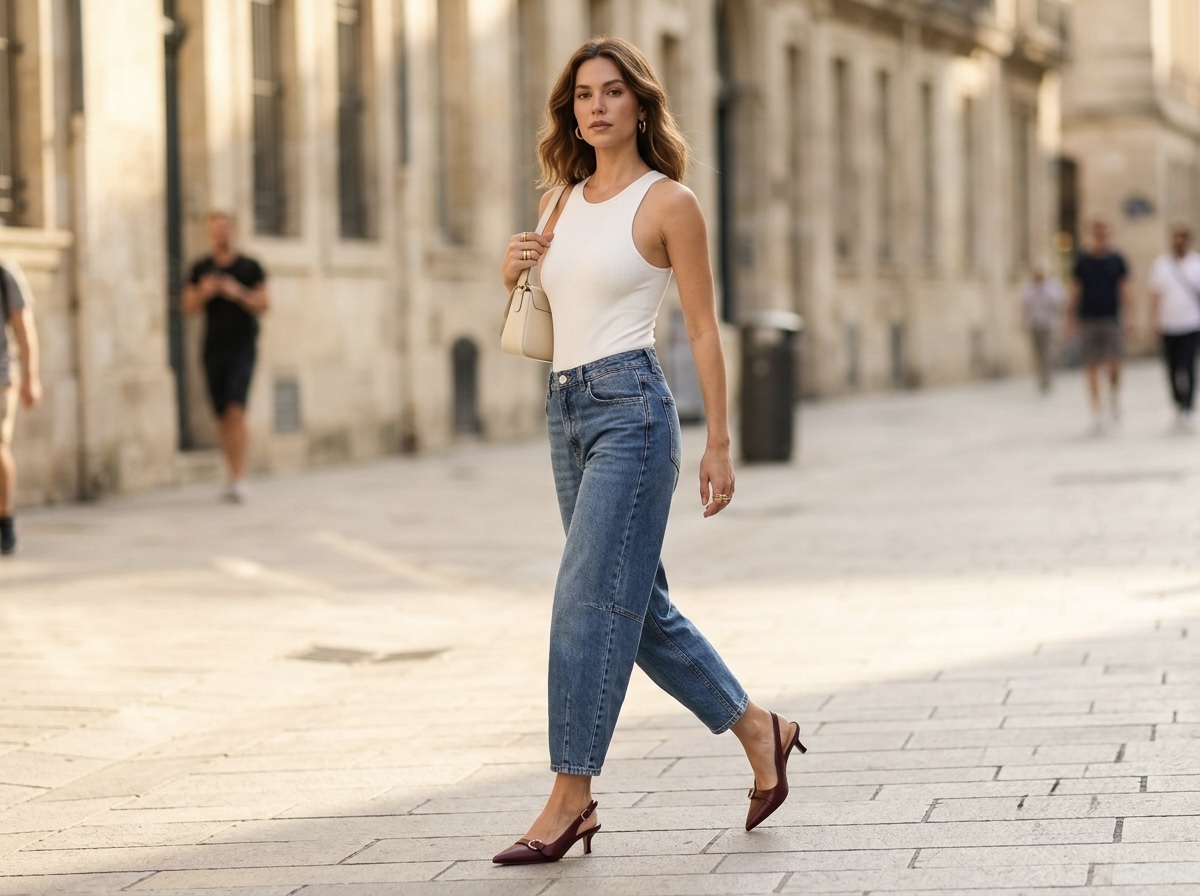
Shoes are often the first piece that changes the mood of an outfit. The same white T-shirt and jeans can feel summery with flat slides, yet look ready for early fall when paired with loafers, burgundy ballet flats, suede slingbacks, or ankle boots.
Quick Temperature Guide
- 75–85°F (24–29°C): Lightweight shirts, tailored shorts, loafers, and breathable trousers.
- 65–74°F (18–23°C): Add a blazer, cardigan, or lightweight trench.
- 55–64°F (13–18°C): Introduce knitwear, boots, and heavier outer layers.
15 Practical Transitional Outfit Formulas
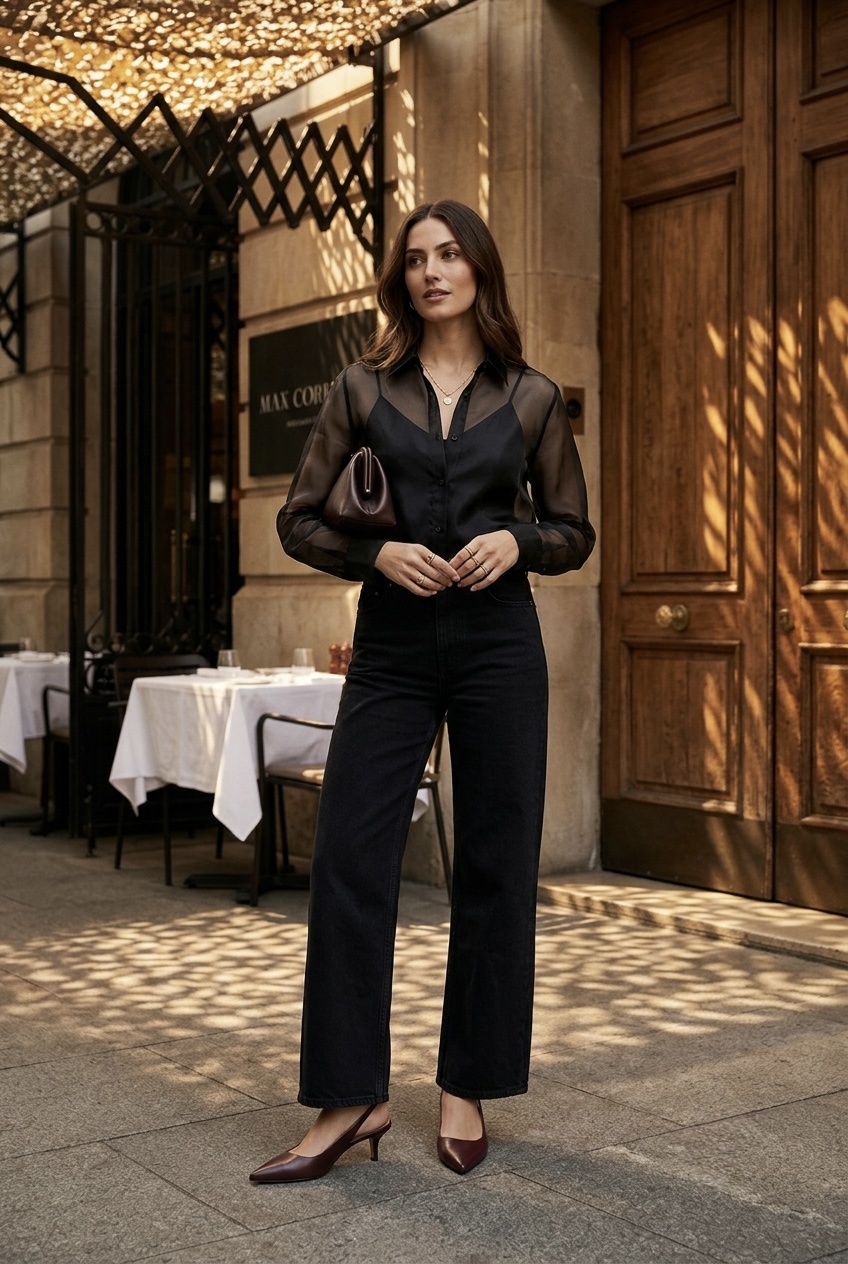
The Sheer Organza Shirt over a Seamless Bodysuit
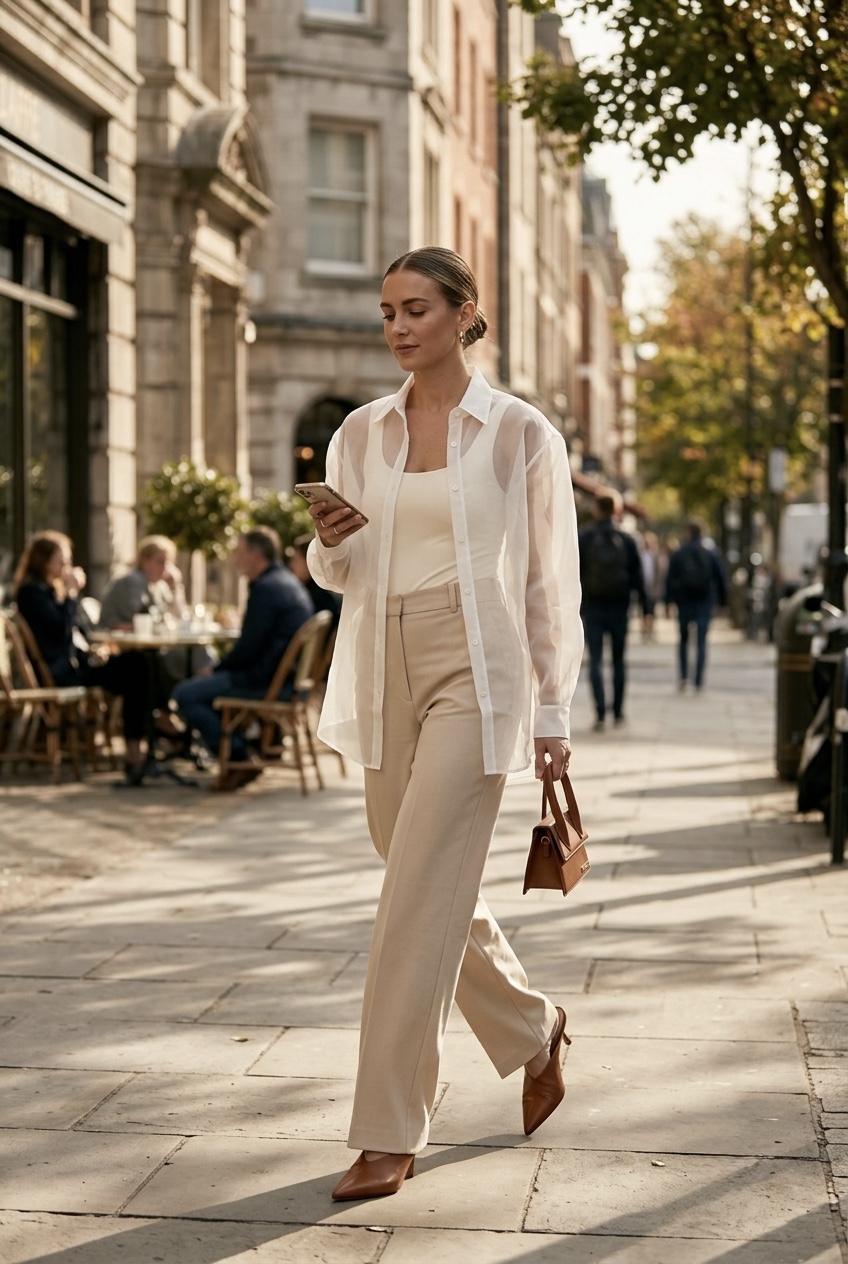
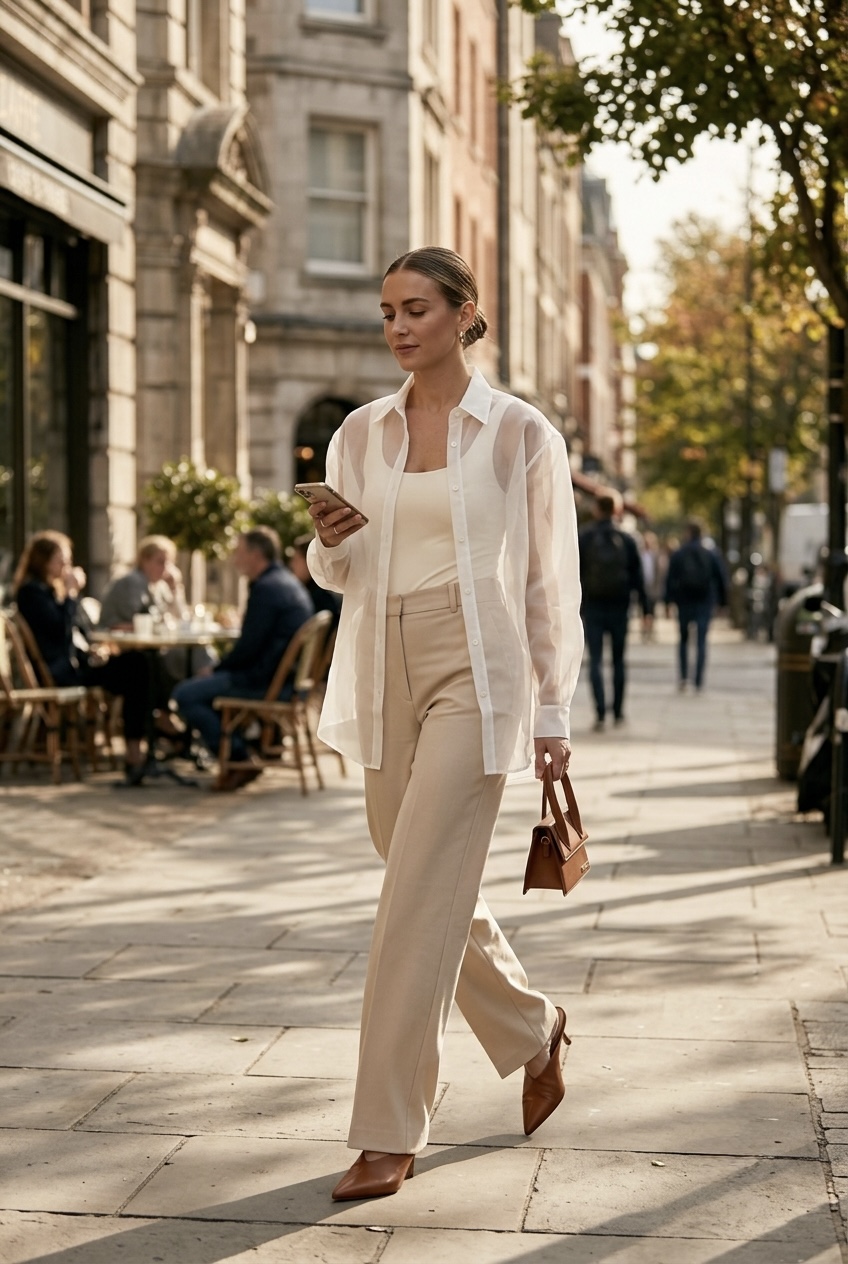
The Formula: Sheer organza button-down + double-lined ribbed bodysuit + tailored wide-leg trousers + pointed-toe leather mules.
Why It Works: Lightweight organza adds texture and polish without feeling heavy, while a double-lined bodysuit provides comfortable coverage. Wide-leg trousers create balance, making the outfit feel refined enough for work while staying breathable on warmer days.
Climate Adjustment: In warmer climates, swap full-length trousers for crisp, knee-length tailored Bermuda shorts.
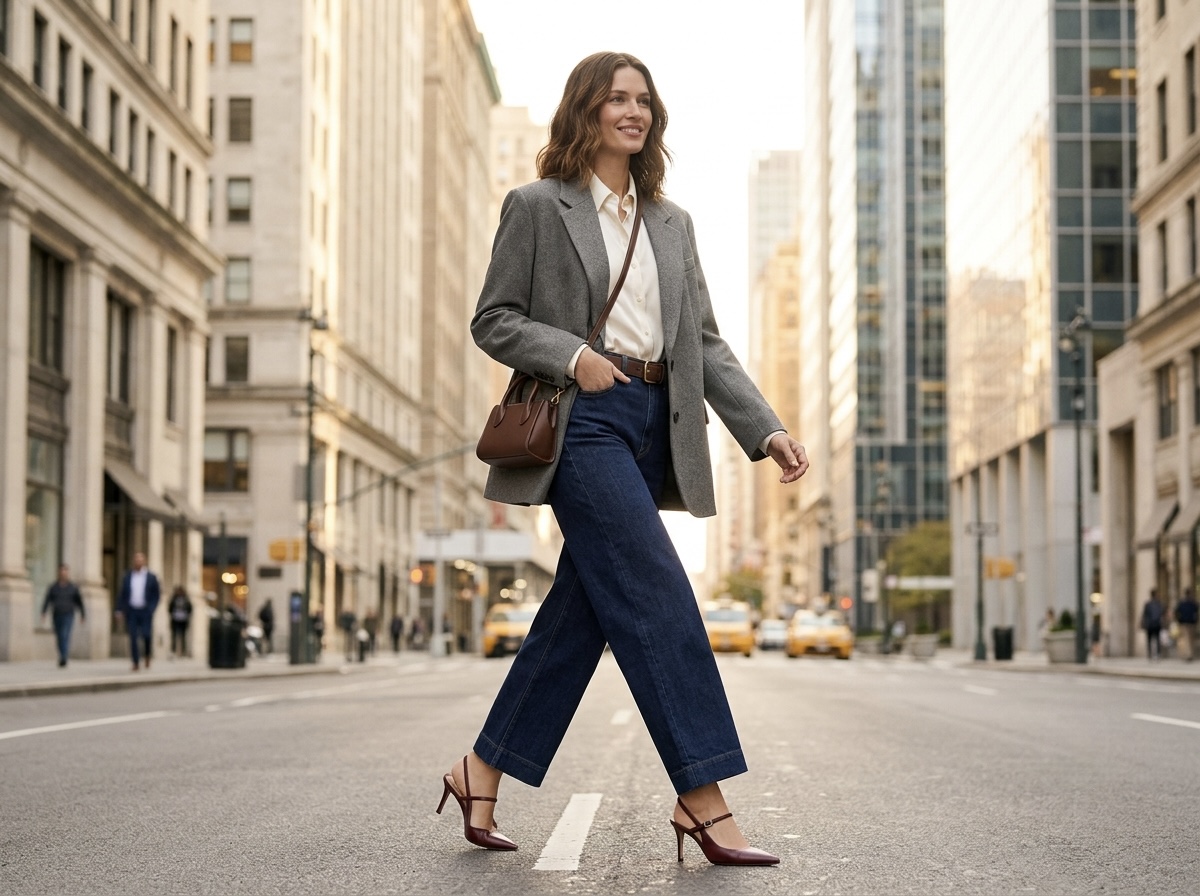
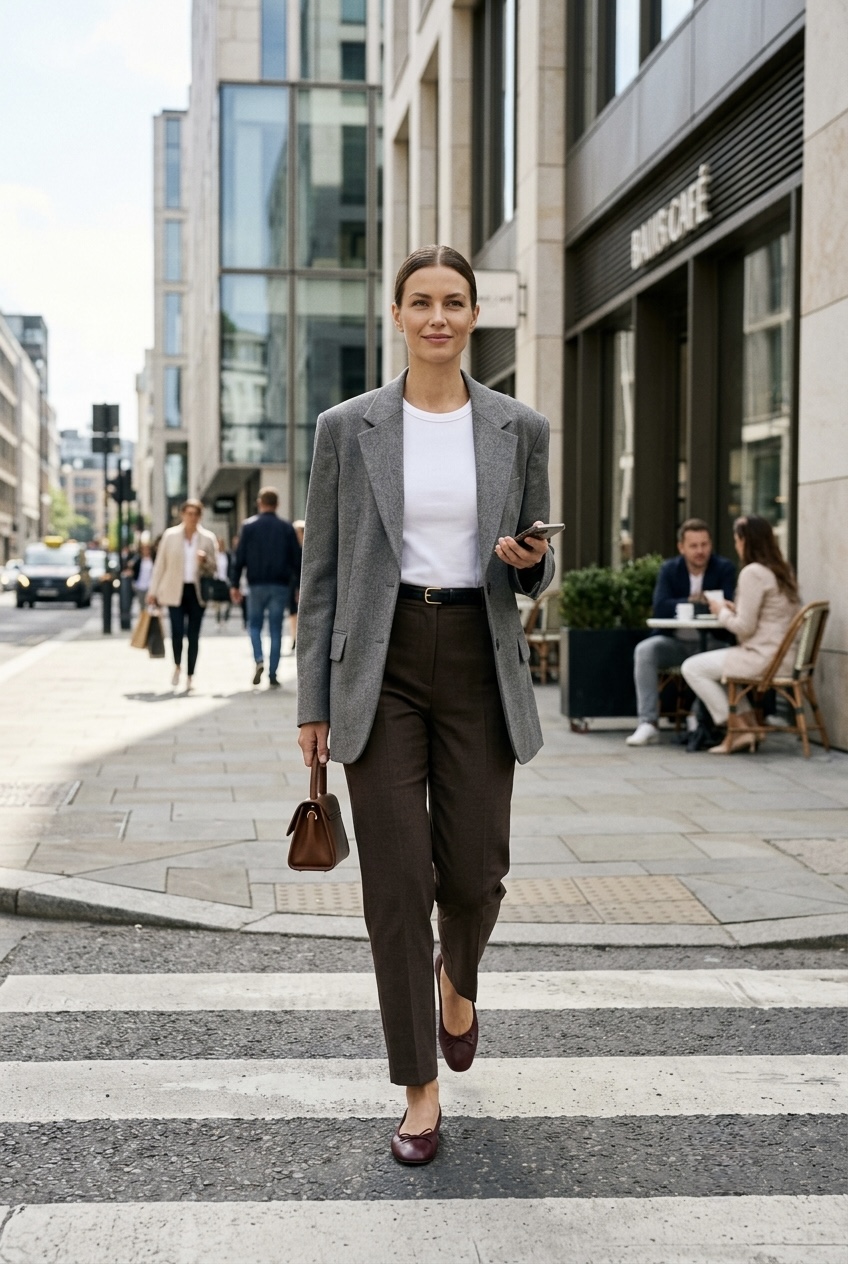
The Oversized Grey Blazer with Espresso Trousers
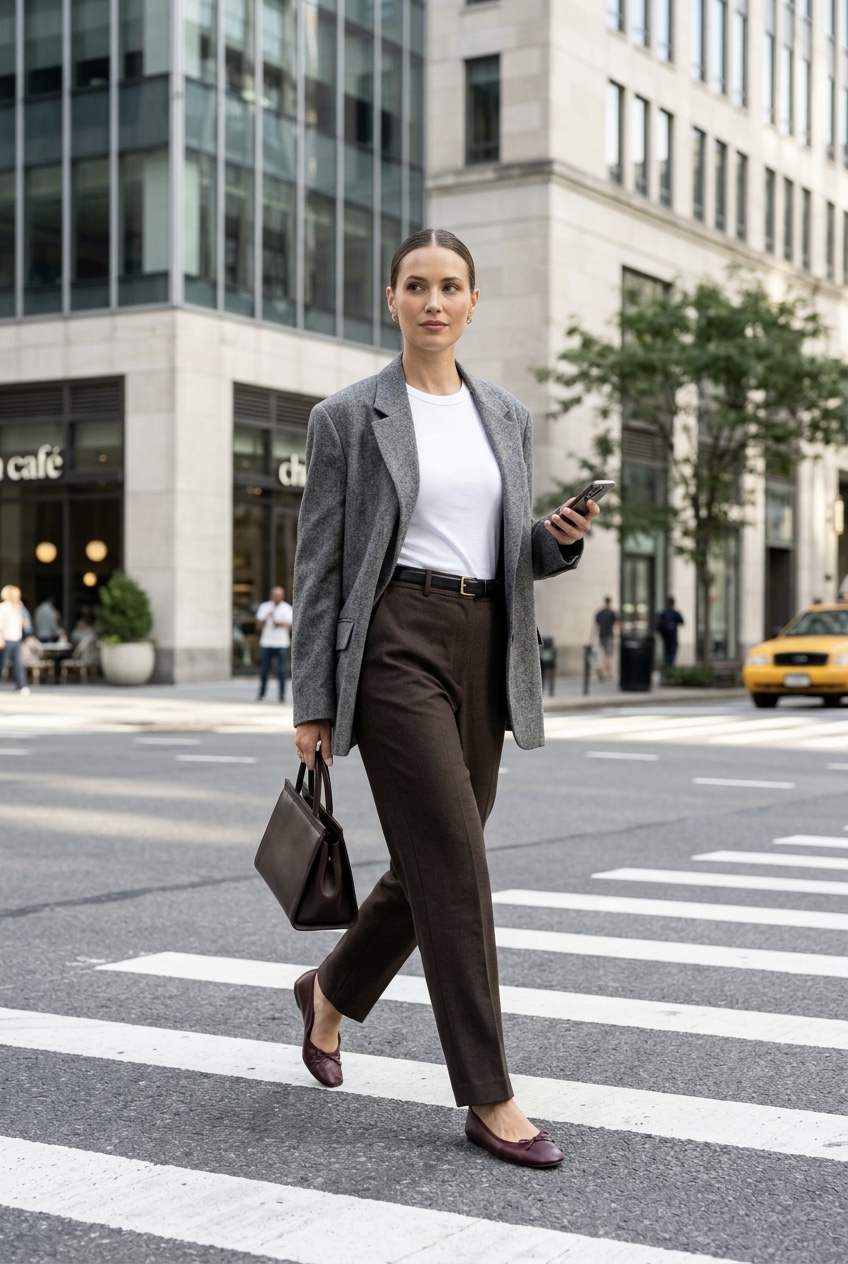
The Formula: Menswear-inspired grey blazer + fitted white crew-neck tee + espresso brown tailored trousers + burgundy ballet flats + leather belt.
Why It Works: Espresso brown has become one of the defining colors of Fall 2026, offering a softer alternative to classic black while remaining just as versatile. Combined with a relaxed grey blazer and burgundy flats, the palette feels refined, modern, and easy to wear for both workdays and weekends.
Style Tip: Roll or push the blazer sleeves up to your forearms to expose the wrist line, keeping the relaxed silhouette from looking overpowering.
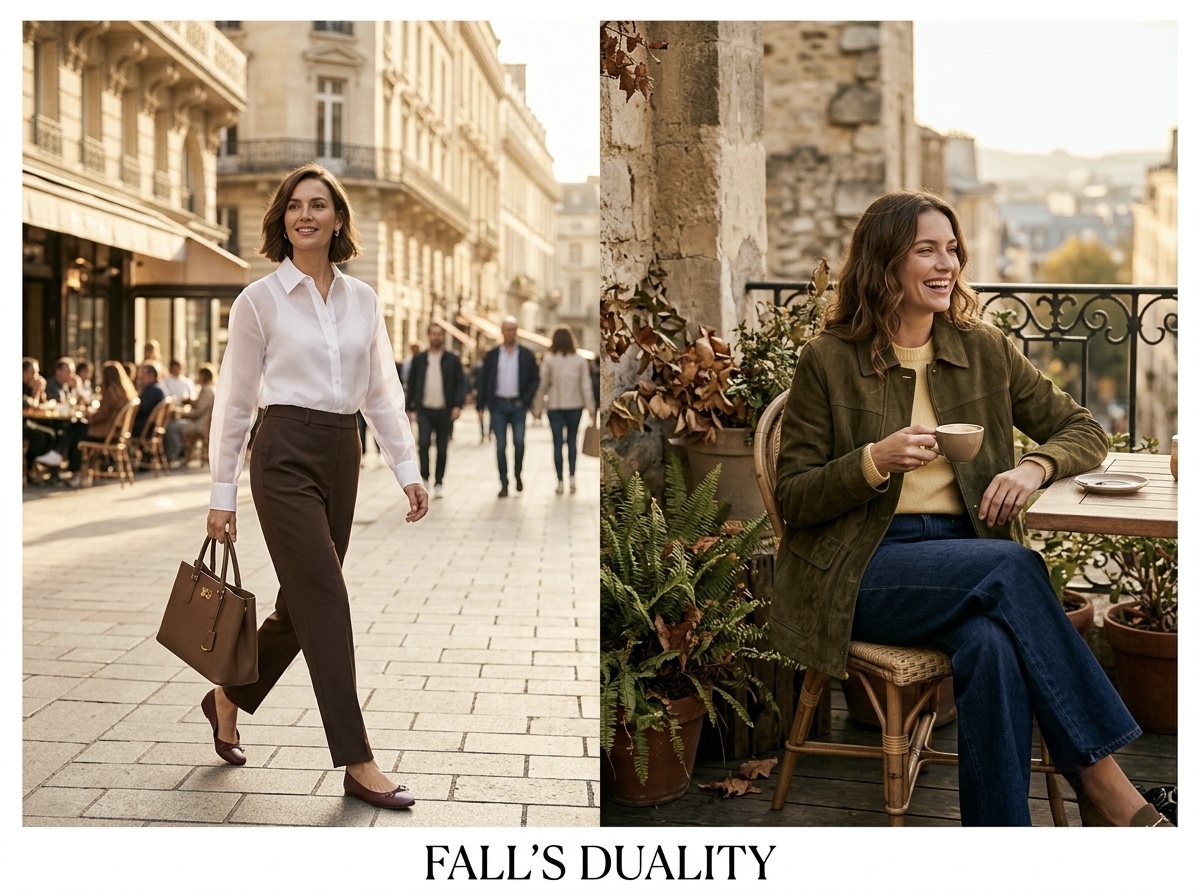
The Suede Barn Jacket over Dark Indigo Wide-Leg Denim
The Formula: Olive suede barn jacket + butter yellow short-sleeve knit + high-waisted dark wash wide-leg jeans + chocolate brown leather loafers.
Why It Works: Barn jackets continue to be one of the standout outerwear trends this fall thanks to their practical silhouette and effortless versatility. Butter yellow adds warmth without overwhelming the outfit, while dark indigo denim provides a timeless foundation that will stay relevant long after the trend cycle changes. For more ways to style utility coats, see our dedicated guide on [Barn Jacket Outfit Ideas for Fall: The Ultimate Styling Guide].
Texture Insight: Suede brings immediate depth to flat denim, making even a casual weekend look feel thoughtful and high-end.
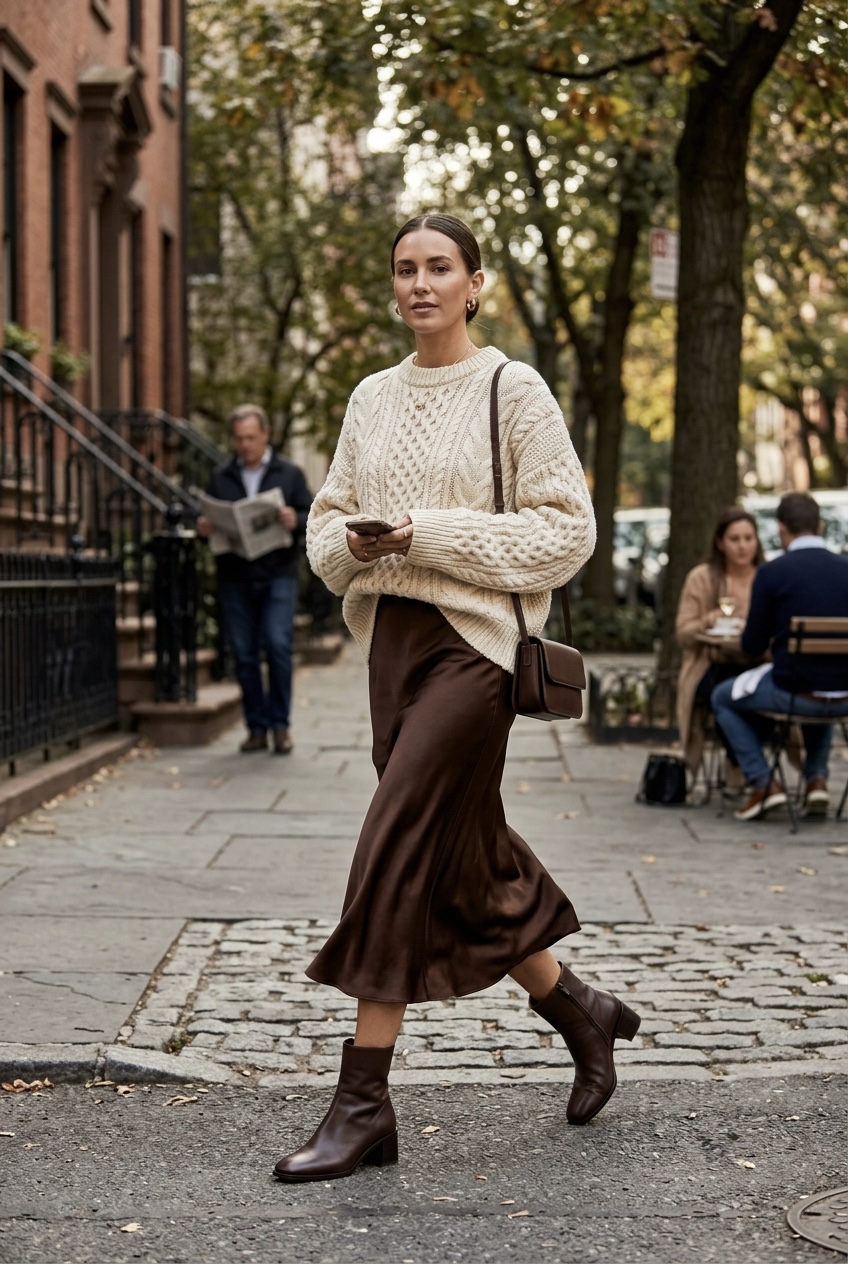
The Cable-Knit Sweater with a Fluid Satin Midi Skirt
The Formula: Slouchy chunky-knit sweater + bias-cut satin maxi or midi skirt + Western leather boots or structured ankle boots.
Why It Works: Chunky knitwear and satin skirts remain one of fashion’s most dependable transitional pairings because they combine contrasting textures without feeling overstyled. The soft movement of satin balances the cozy weight of the sweater, creating an outfit that feels equally appropriate for weekend brunch, dinner, or casual office days.
Practical Fix: To prevent heavy knits from generating static and causing satin skirts to cling or ride up, wear a lightweight, seamless microfiber slip or boy-shorts underneath to eliminate friction.
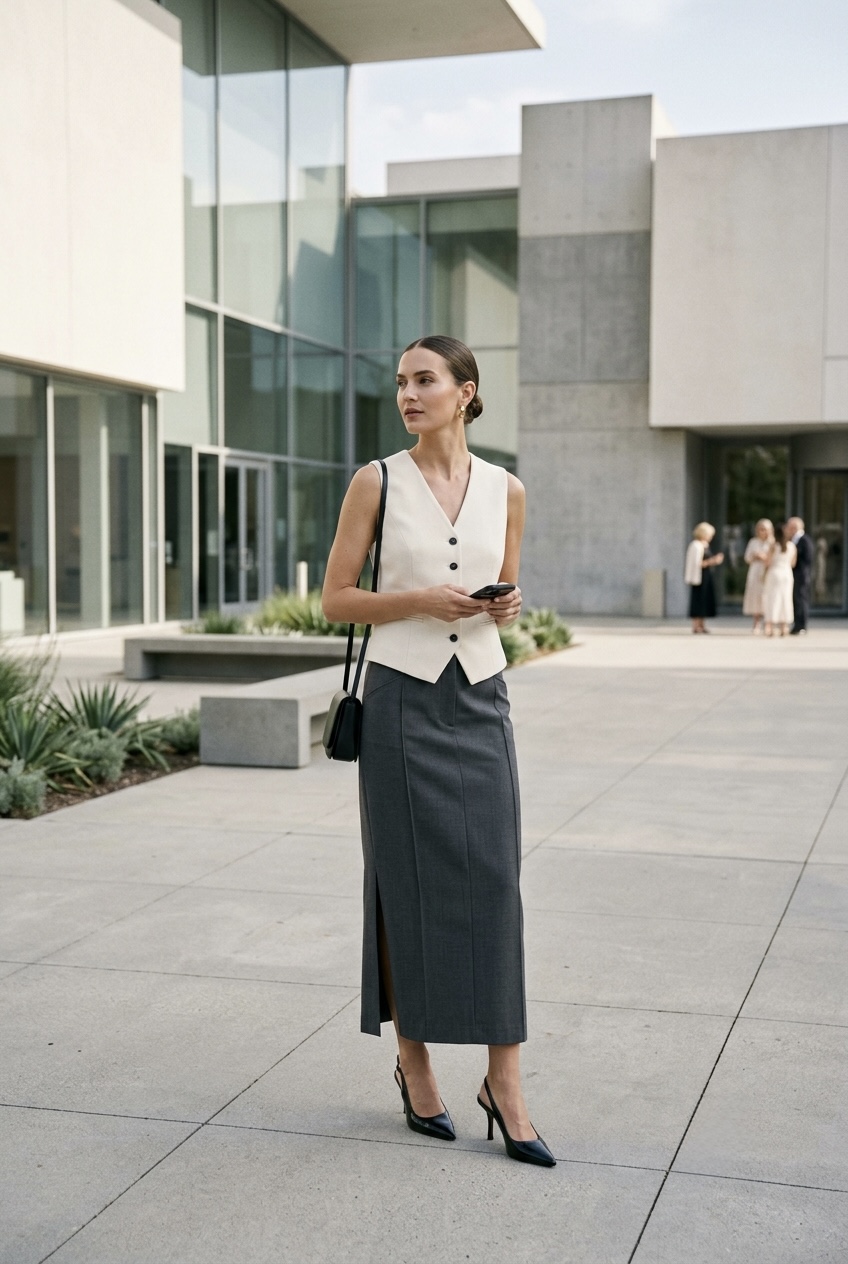
The Tailored Vest and Column Midi Skirt Uniform
The Formula: Buttoned tailored vest (worn as a top) + architectural column midi skirt + high-vamp leather slingback heels + minimalist gold hoops.
Why It Works: A sleeveless structured vest offers all the sharp tailoring of a suit without the stifling warmth of full sleeves. High-vamp slingbacks elongate the leg while providing more shoe structure than open sandals.
Evening Transition: Drape a lightweight cashmere cardigan loosely over your shoulders for cool evening dinners or air-conditioned conference rooms.
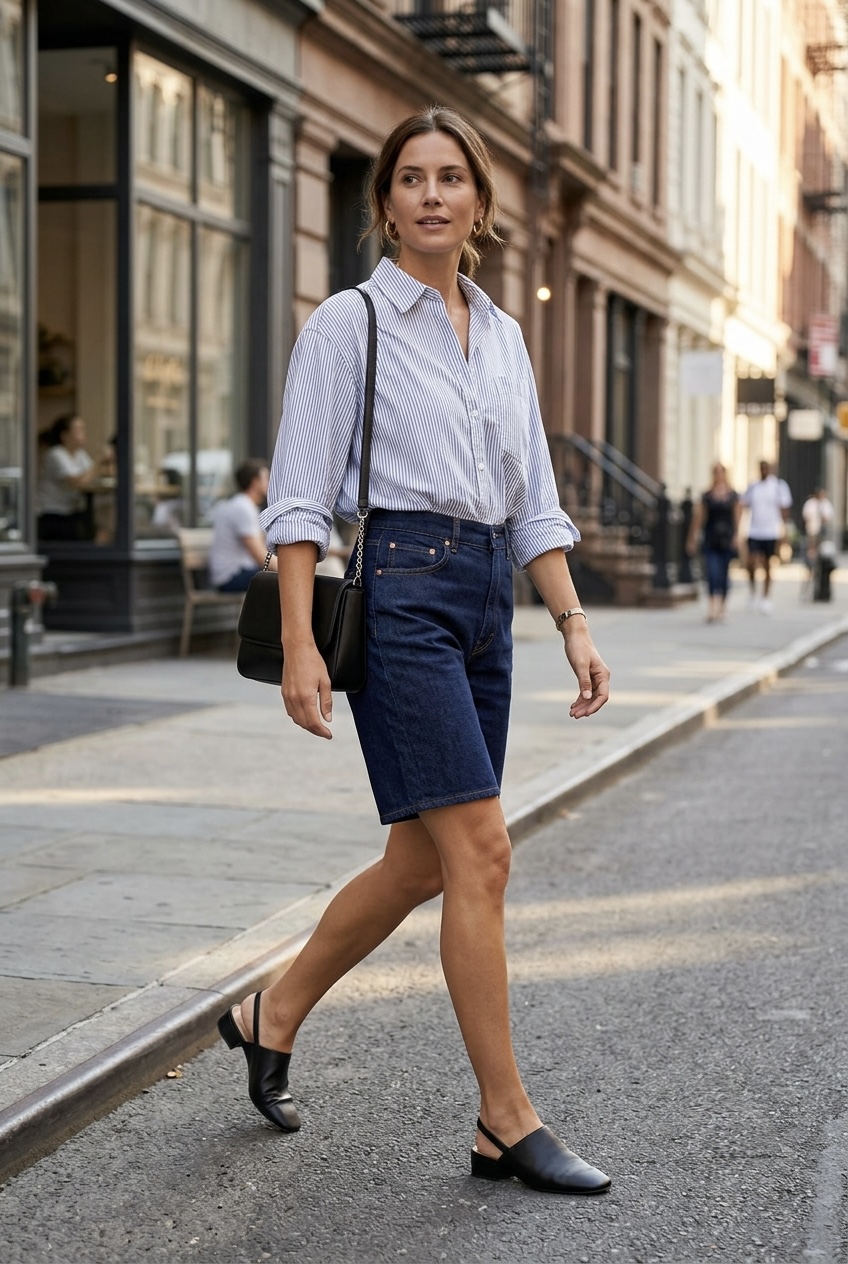
The Crisp Poplin Shirt Tucked into Dark-Wash Jorts
The Formula: Oversized blue-and-white poplin button-down + knee-length dark-wash denim shorts (jorts) + low leather slingback mules + structured shoulder bag.
Why It Works: Longer-line denim shorts with clean, finished hems offer a modern alternative to traditional cut-offs. Tucking a crisp poplin shirt into structured dark denim maintains an elevated, tailored silhouette appropriate for casual workspaces or city afternoons.
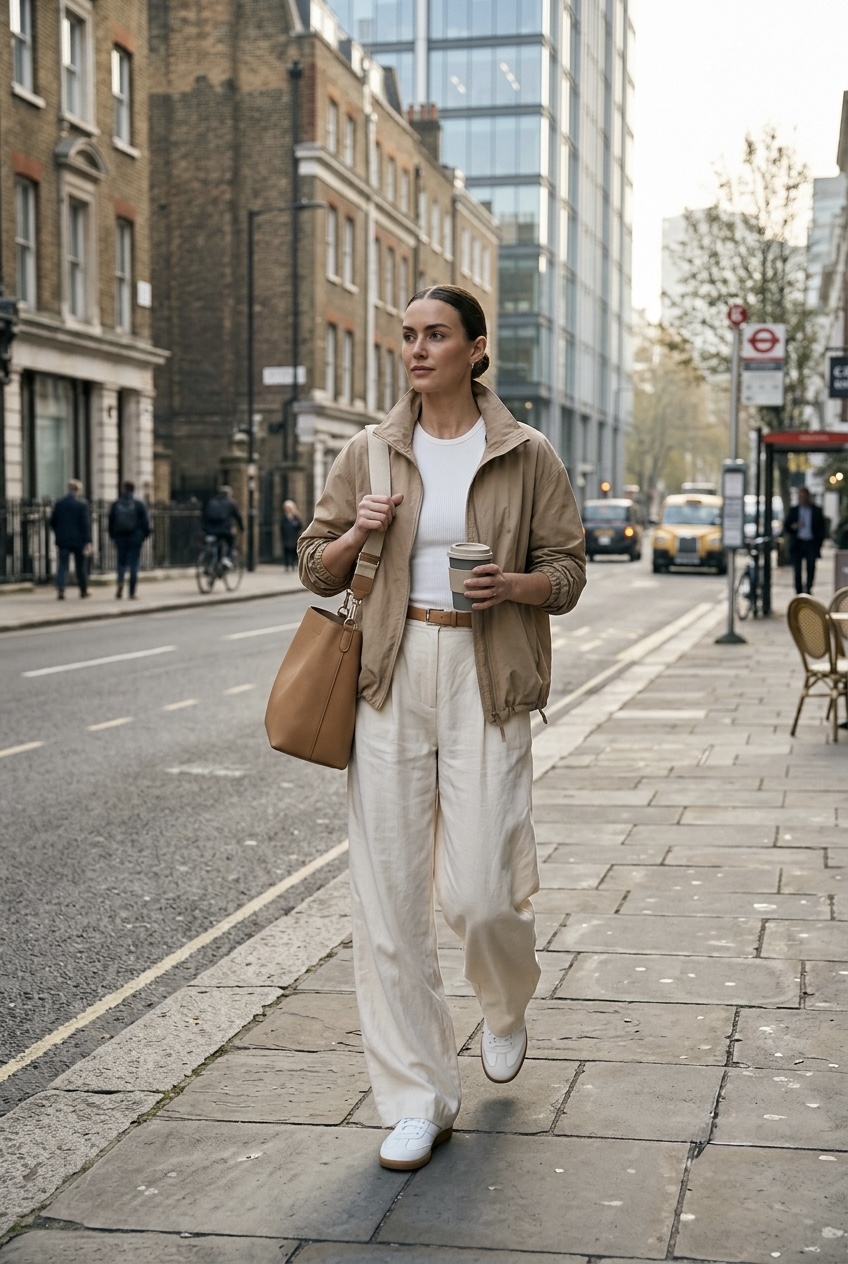
The Lightweight Funnel-Neck Jacket over Wide-Leg Linen Trousers
The Formula: Desaturated camel funnel-neck windbreaker or light trench + high-neck sleeveless top + wide-leg linen-blend trousers + clean white leather sneakers.
Why It Works: Funnel necklines frame the face and block chilly morning winds during early commutes. Keeping the trousers in a breathable linen-cotton blend prevents mid-day overheating while creating a clean, streamlined silhouette.
The Silk Button-Down over a Fitted Bodysuit
The Formula: Fluid silk or satin button-down (worn open as a light layer) + tucked-in seamless white bodysuit + relaxed straight-leg jeans + suede tote bag.
Why It Works: Treating a silk button-down as outerwear rather than a base layer gives you the coverage of a cardigan with the breezy movement of summer silk. It moves easily with your body and packs down small in a tote if afternoon temperatures rise.
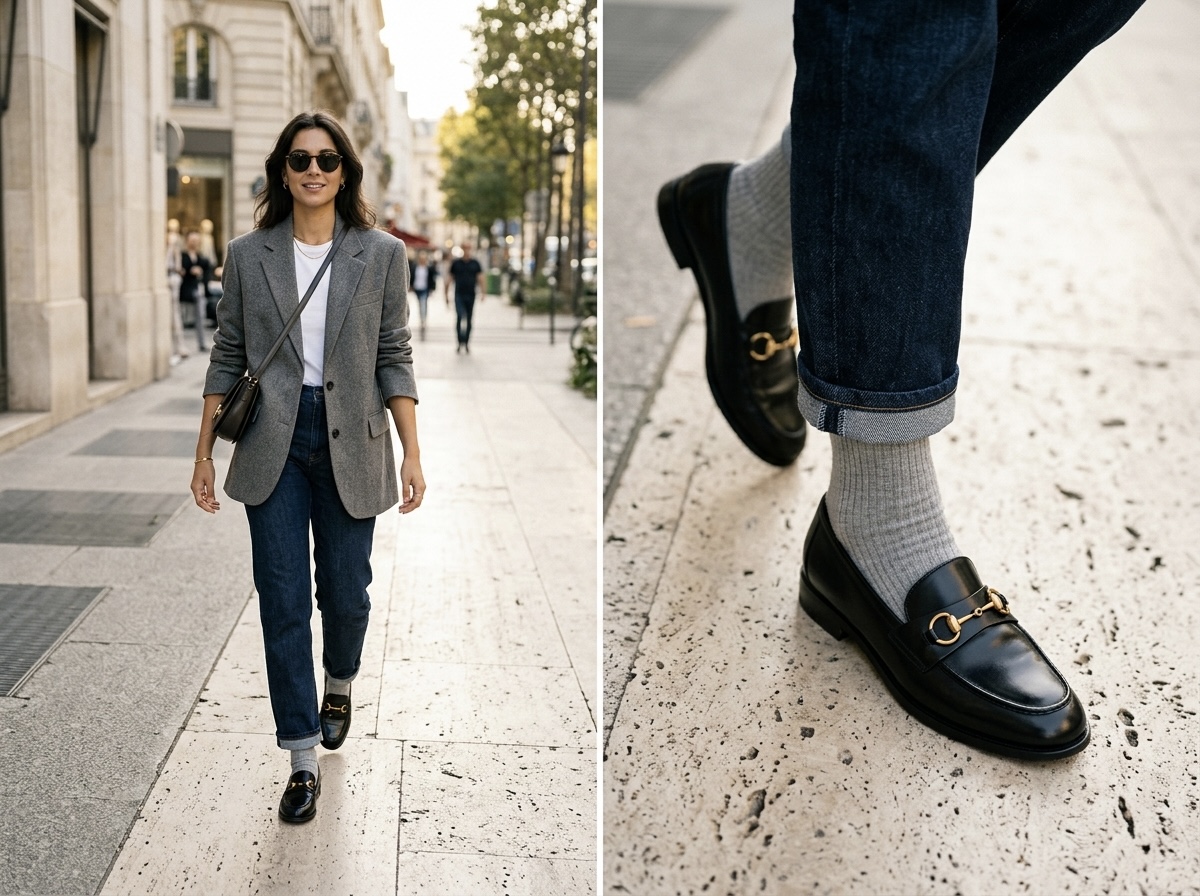
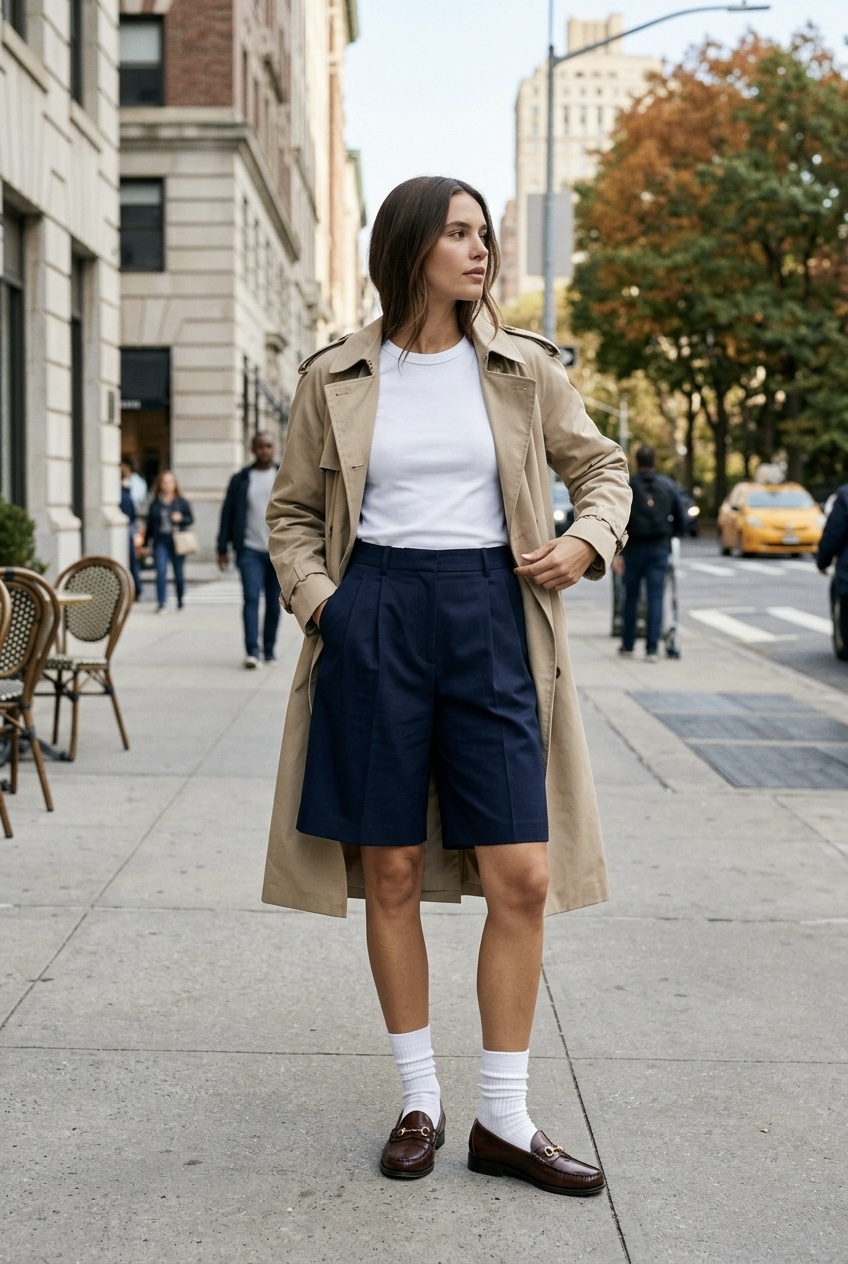
The Structured Trench Coat over Tailored Shorts
The Formula: Mid-length neutral trench coat + fitted crew-neck tee + high-waisted pleated Bermuda shorts + polished leather loafers with crew socks.
Why It Works: Playing with opposing hemlines—a long coat over shorter tailored pants—is a classic editorial styling trick. It offers full upper-body weather protection while keeping legs cool during transitional sun shifts.
The Monochromatic Ribbed Knit Set with an Oversized Blazer
The Formula: Monochromatic mocha or oat ribbed tank and trouser set + structured oversized houndstooth or plaid blazer + leather crossbody bag + minimalist flats.
Why It Works: Matching knit sets simplify getting dressed on busy mornings while still looking intentional. Throwing on a structured blazer creates enough contrast to make the outfit feel polished rather than casual, making it an easy option for hybrid workdays or travel.
The Short-Sleeve Cashmere Top with Pleated Trousers
The Formula: Lightweight short-sleeve cashmere or fine-gauge wool knit + high-waisted pleated trousers + leather waist belt + pointed-toe flats.
Why It Works: Short-sleeve knits are the ultimate transitional luxury item. Fine-gauge cashmere naturally regulates body temperature, keeping you cozy in cold spaces while avoiding the bulk and heat of full-length sweater sleeves.
The Slip Dress under a Draped Crewneck Sweater
The Formula: Silk or satin midi slip dress + soft crewneck sweater (pulled over and belted at the waist) + knee-high suede boots.
Why It Works: Rather than packing away summer slip dresses, transform them into flowing midi skirts by layering a sweater on top. This doubles the wearability of your summer wardrobe items while adding necessary warmth.
The Lightweight Trench over a High-Neck Athleisure Set
The Formula: Full-length lightweight trench coat + high-neck seamless activewear jumpsuit or matching top-and-legging set + clean retro sneakers + structured tote bag.
Why It Works: Pairing tailored outerwear with activewear creates a polished contrast that works well for travel days, coffee runs, or casual weekends.
The Leather Waistcoat over an Oversized White Cotton Shirt
The Formula: Tailored leather or suede waistcoat + crisp longline white cotton button-down + slim-tailored trousers + leather loafers.
Why It Works: Layering a structured leather vest over a crisp poplin shirt compresses the voluminous cotton, creating a sharp waistline while introducing rich fall leather textures to a classic summer staple.
The Longline Cardigan with a Fitted Tank and Cropped Denim
The Formula: Open-front fine-knit longline cardigan + tucked-in scoop-neck tank + ankle-length straight-leg denim + leather slingback flats.
Why It Works: Longline cardigans create clean vertical lines that visually elongate the body. Keeping the base layer tucked and fitted keeps your natural frame defined under longer, sweeping layers.
Fabric & Texture Matrix for Transitional Weather
Choosing the right fabrics matters just as much as choosing the right silhouette. During seasonal transitions, breathable materials combined with slightly heavier textures help you stay comfortable across changing temperatures instead of constantly adding and removing layers.
| Summer Fabric | Recommended Transitional Upgrade | Why It Works for Shifting Temperatures |
|---|---|---|
| 100% Linen | Linen-Cotton or Linen-Rayon Blends | Retains breathability while adding weight and reducing extreme wrinkling. |
| Thin Sheer Cotton | Sheer Organza or Micro-Plissé | Keeps its shape better than lightweight cotton while allowing more airflow on warm days. |
| Open-Weave Crochet | Fine-Gauge Lightweight Cashmere | Provides soft warmth without the suffocating density of thick autumn wools. |
| Canvas / Straw | Tumbled Leather or Soft Suede | Creates a richer seasonal look without adding warmth. |
| Canvas Sneakers | Leather Loafers or Pointed Mules | Anchors the silhouette in fall style while protecting feet from unexpected autumn rain. |
Common Transitional Styling Mistakes to Avoid
Don’t Dress for the Calendar
One of the biggest transitional style mistakes is switching to heavy fall clothing simply because September has arrived. Instead, dress for the forecast. Lightweight knits, breathable trousers, and smart layering usually outperform thick sweaters until temperatures consistently cool down.
Update Your Shoes First
If you’re only making one seasonal change, make it your footwear. Closed-toe loafers, ballet flats, slingbacks, and ankle boots instantly make summer outfits feel appropriate for early fall without adding extra warmth.
Keep Some Summer Colors
You don’t need to pack away every bright shade after Labor Day. Butter yellow, sage green, dusty blue, and soft cream all pair beautifully with autumn favorites like espresso, olive, charcoal, and burgundy.
Balance Volume
Oversized silhouettes work best when balanced. If you’re wearing a relaxed blazer or chunky sweater, pair it with more streamlined bottoms. Likewise, wide-leg trousers look most flattering with a fitted knit or tucked-in top.
Editor’s Styling Tip
One lesson professional stylists rely on every fall is to transition accessories before clothing. Swapping straw bags for suede, raffia sandals for loafers, or canvas sneakers for leather flats often makes an outfit feel seasonally appropriate without sacrificing comfort. It’s one of the simplest ways to extend the life of your summer wardrobe while embracing richer autumn textures.
Mastering the Seasonal Pivot
Transitional dressing doesn’t require an entirely new wardrobe—it simply asks you to style familiar pieces in smarter ways. By introducing richer textures, updating your footwear, and layering thoughtfully, you can create outfits that feel comfortable in changing temperatures while looking polished throughout the season.
Instead of rushing into heavy sweaters and coats, focus on versatile combinations you can adapt from warm afternoons to cool evenings. A few intentional styling changes will help your wardrobe carry you effortlessly from the last days of summer into fall.
Frequently Asked Questions
Focus on updating your textures and footwear rather than adding heavy layers. Swap straw totes for suede bags, canvas sneakers for leather loafers, and light summer sandals for ballet flats or slingbacks. Keeping lightweight base layers while shifting to rich autumn neutrals instantly grounds your outfit in the new season without trapping excess heat.