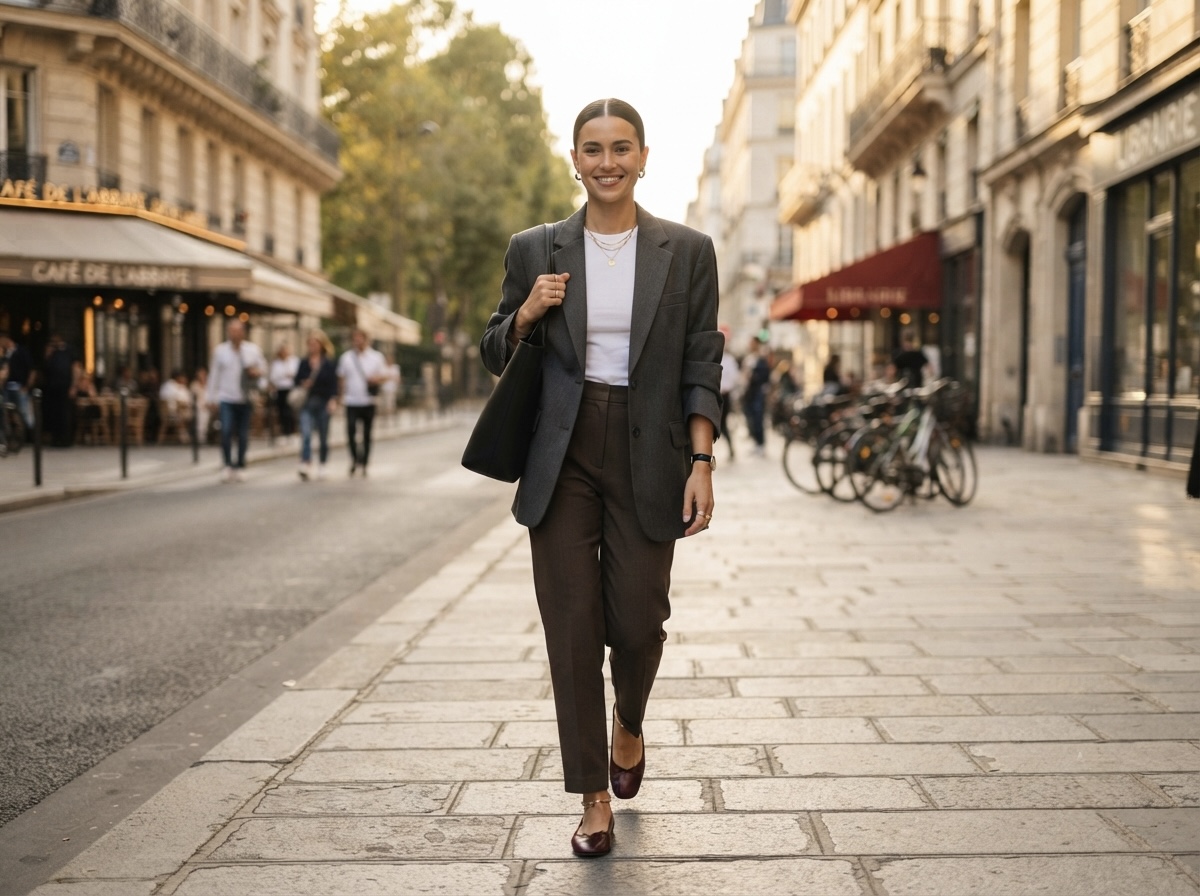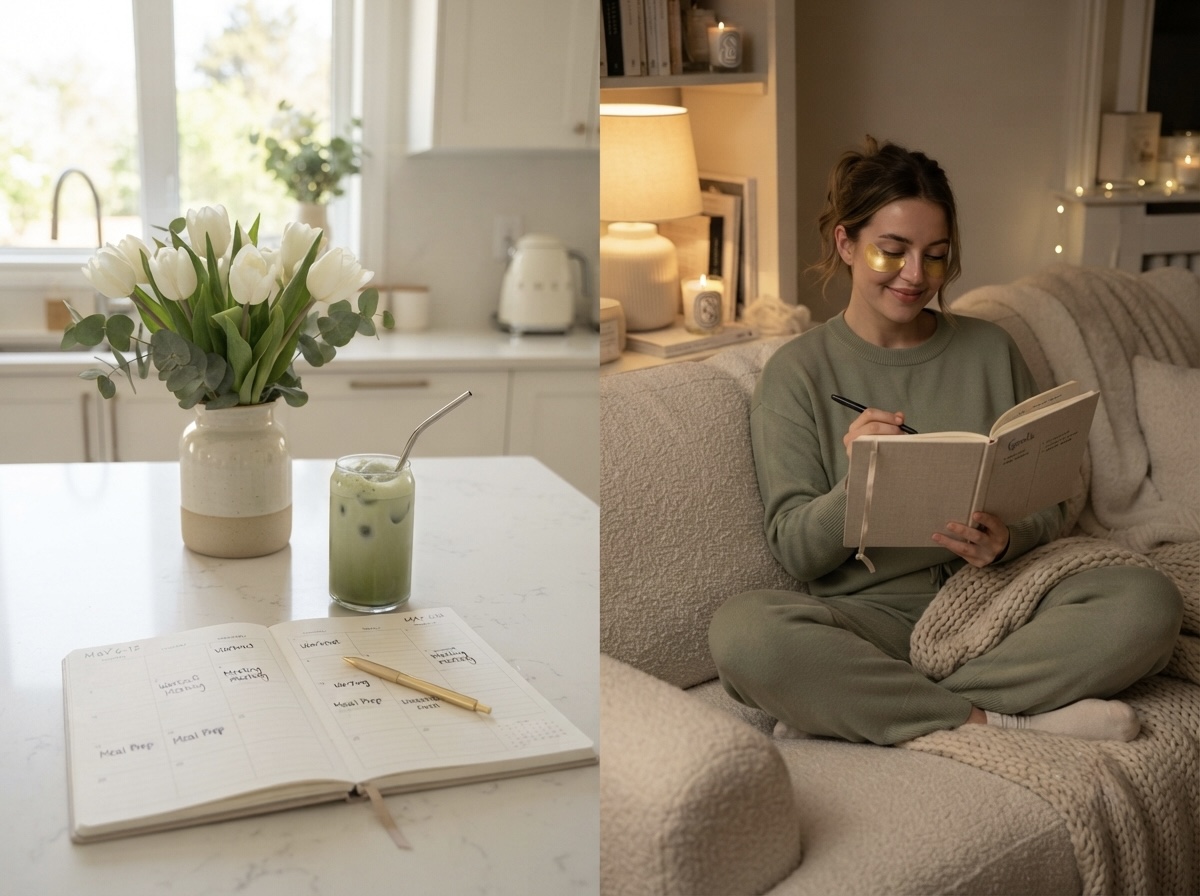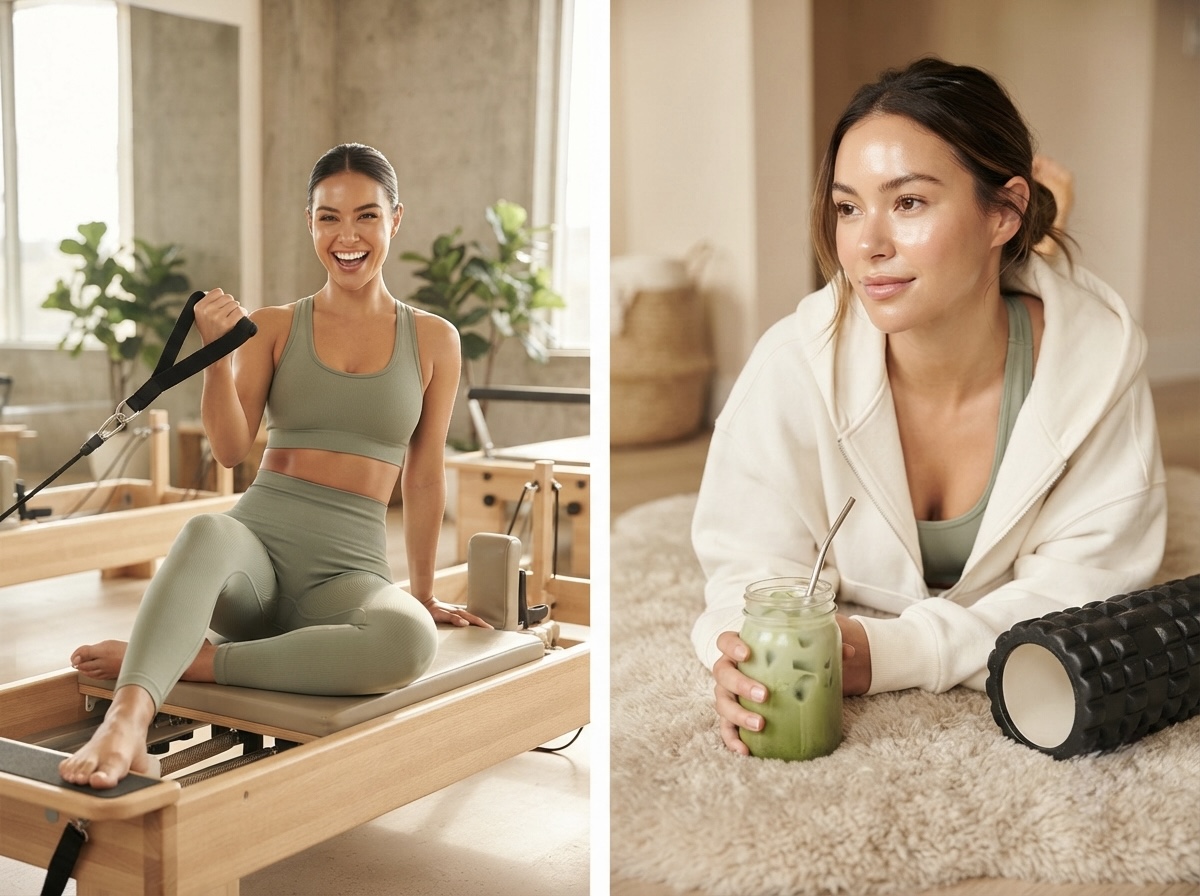
Fitness advice often promotes the idea that if a workout does not leave you utterly exhausted and sore for days, it was not effective. Pushing your body to its limit seven days a week can disrupt sleep patterns and lead to physical burnout.
Building a sustainable fitness routine comes down to combining consistent, low-impact strength work with dedicated, structured recovery days. When you balance physical challenge with intentional restoration, you develop functional strength that lasts.
Building a Functional Movement & Recovery Wardrobe
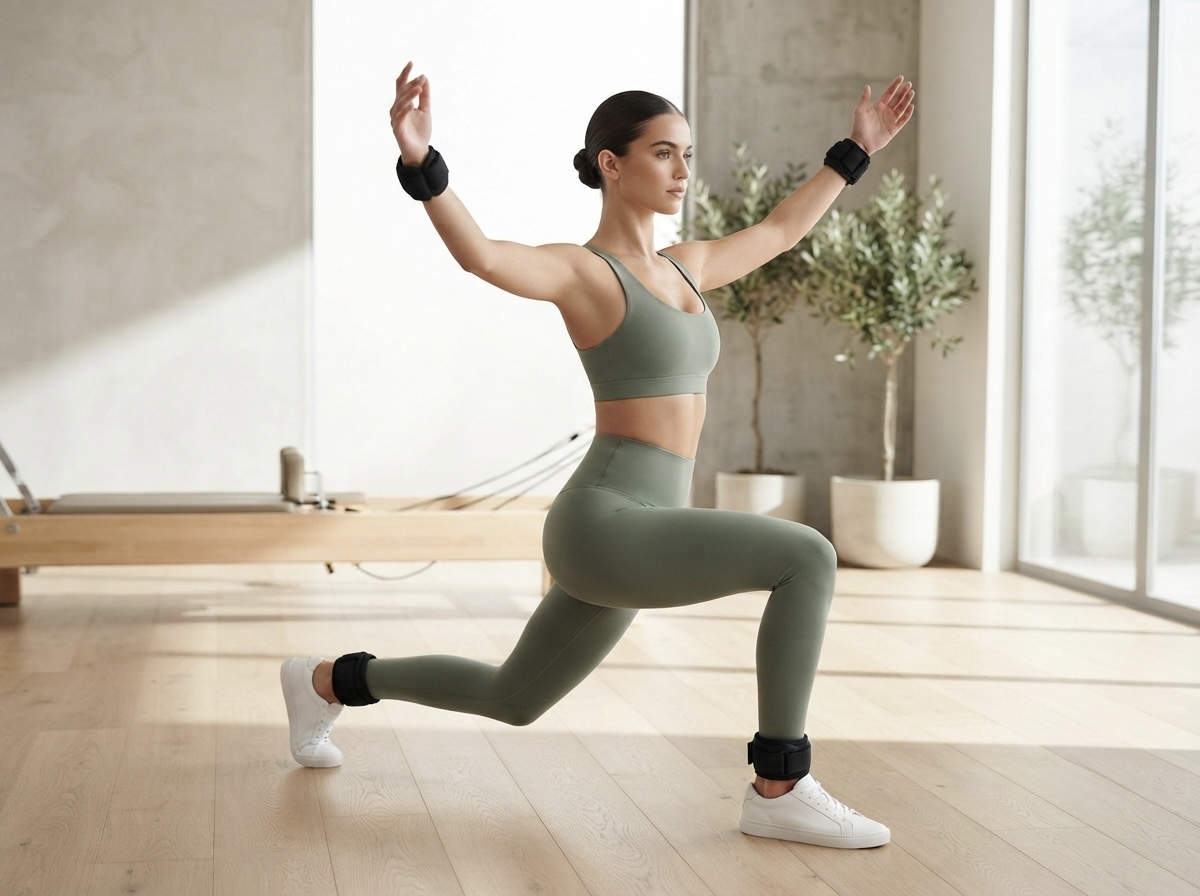
The move toward reformer Pilates, barre conditioning, and brisk incline walking has changed what we need from activewear. Investing in activewear for this routine is not about chasing fleeting trends; it is about choosing technical textiles that support your movement without pinching, post-workout layers that regulate body temperature, and durable fabrics that transition easily from the studio to daytime errands.
The 5-Day Weekly Movement Split
Lower-Body Conditioning & Reformer Pilates
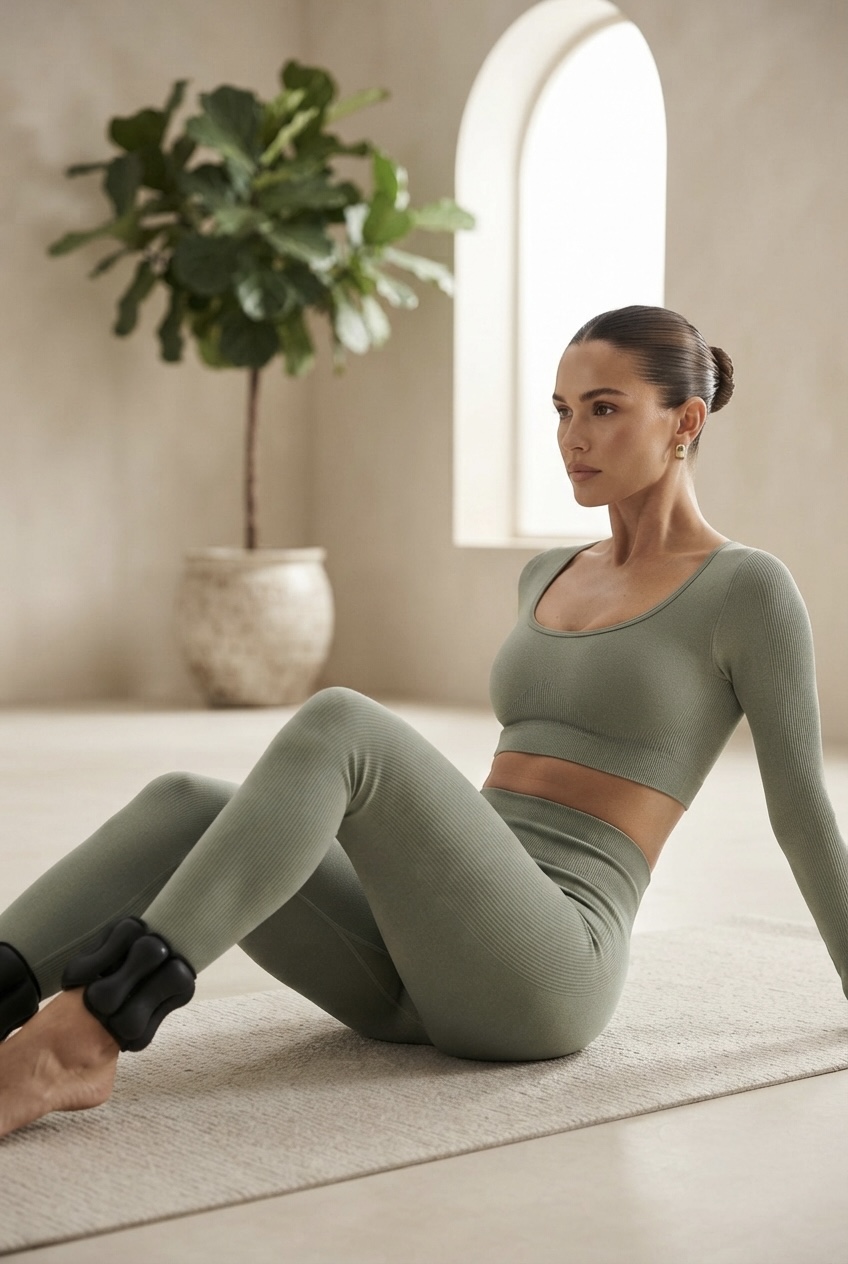
Mat and reformer workouts demand apparel that fits like a smooth second skin. Moving through pulses, glute bridges, and isometric holds requires waistbands that stay in place and seams that do not dig into your hips.Prioritize high-gauge nylon-elastane blends with a matte, peached finish rather than slippery synthetic knits. Look for a fabric weight around 220–250 GSM—heavy enough to stay completely opaque during squats and lunges while remaining breathable. Choose a bonded, seamless, high-rise waistband without internal drawstrings, which prevents pinching during core compression exercises.
Pair 7/8-length leggings with a structured square-neck bra top that offers medium support. For studio work, swap standard socks for organic cotton grip socks with silicone honeycomb treads across the ball and heel. Layer a cropped 100% French terry cotton pullover over your shoulders before class starts.
Sustained Incline Walking & Aerobic Cardio
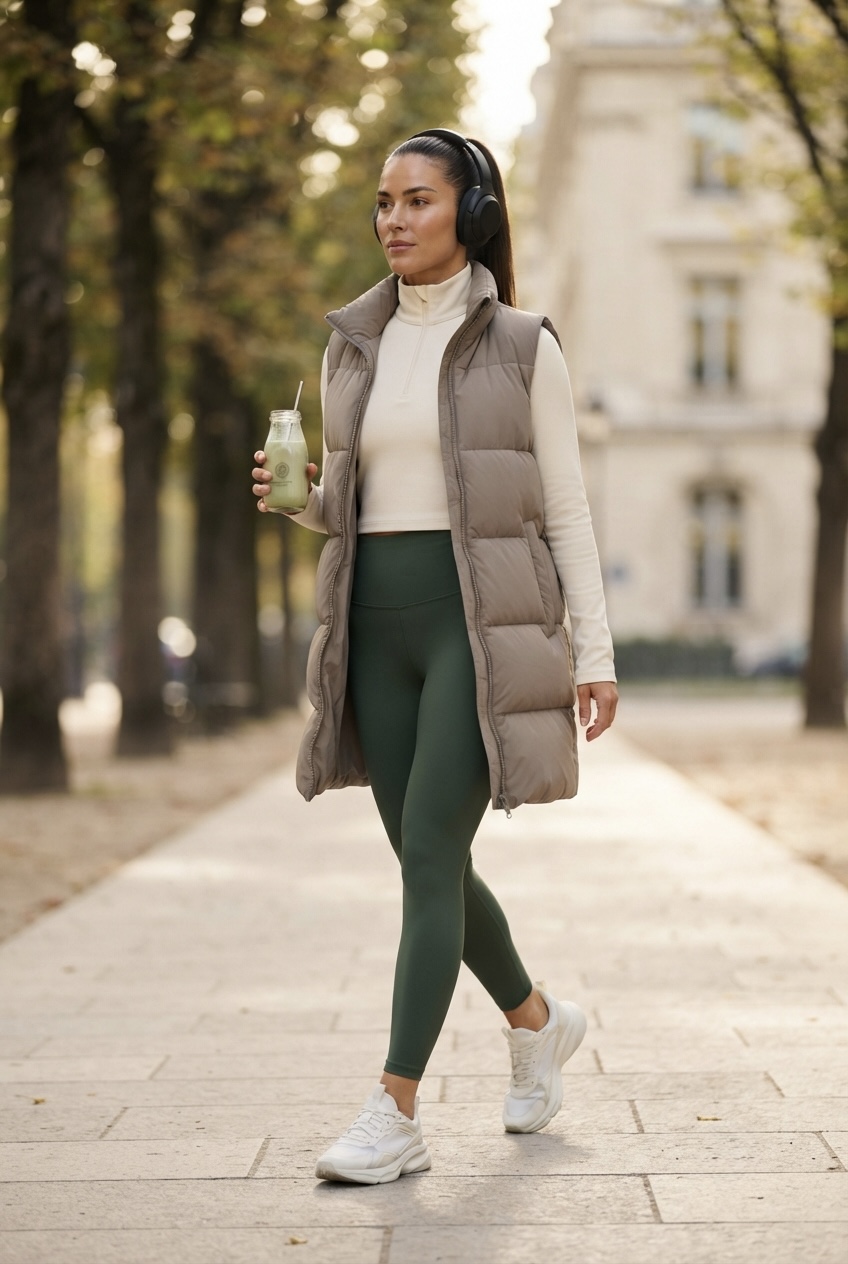
Steady-state cardio—whether an outdoor power walk or an incline treadmill session—requires gear built for joint comfort and temperature regulation.Select lightweight, four-way stretch woven fabrics for outerwear and moisture-wicking circular-knit fabrics for base layers. For bottoms, choose mid-thigh biker shorts (6-to-7-inch inseam) crafted from sweat-wicking polyamide blends to prevent inner-thigh chafing. Pair them with a boxy, heavyweight supima cotton tee that allows air to move around your torso.
Supportive footwear is non-negotiable. Opt for neutral running sneakers built with dual-density EVA midsoles and wide toe boxes that let your toes spread naturally. Add an adjustable nylon crossbody belt bag, a cotton twill cap, and UV400 sunglasses. Pair your sneakers with quarter-length socks knit from a merino wool blend rather than pure cotton to reduce friction and blister risks.
Posture-Correcting Upper-Body Strength
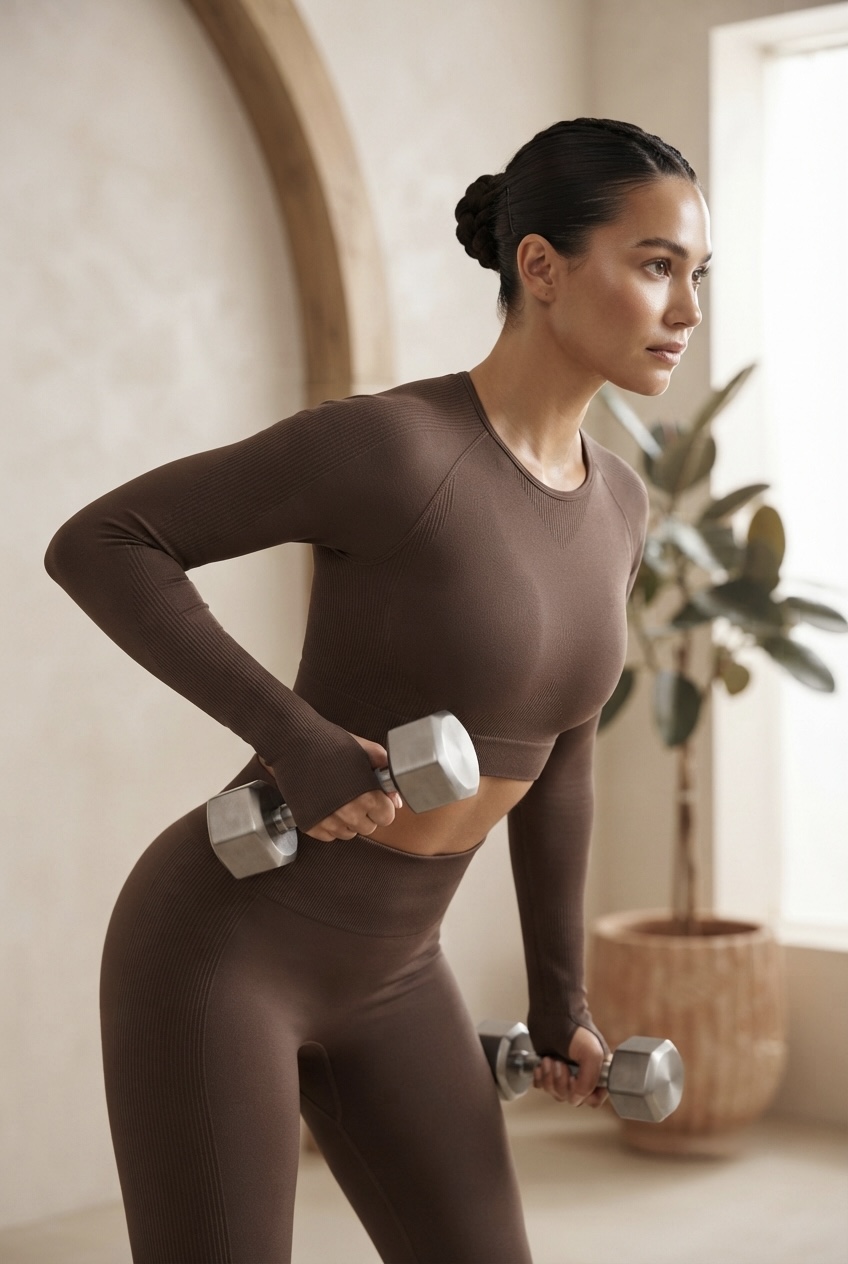
Targeted upper-body sessions using light-to-medium dumbbells require clothing that allows full shoulder blade mobility while keeping your core supported.Look for athletic tops with open-back straps or racerback cuts constructed from compressive micro-ribbed knits. Ribbed textures add structural integrity, preventing tops from shifting during overhead presses and lateral raises. Pair with high-waisted, pocketless cycling shorts or ankle-length tights made from compressive spandex blends.
Keep your wrists and neck free of heavy jewelry to allow an uncompromised range of motion. Complete the look with lightweight studio trainers featuring a flat, zero-drop rubber sole to give you a stable, grounded base. Open-back tops make it easy to monitor shoulder blade retraction and avoid neck strain in the mirror.
Mobility Sequences & Restorative Stretching
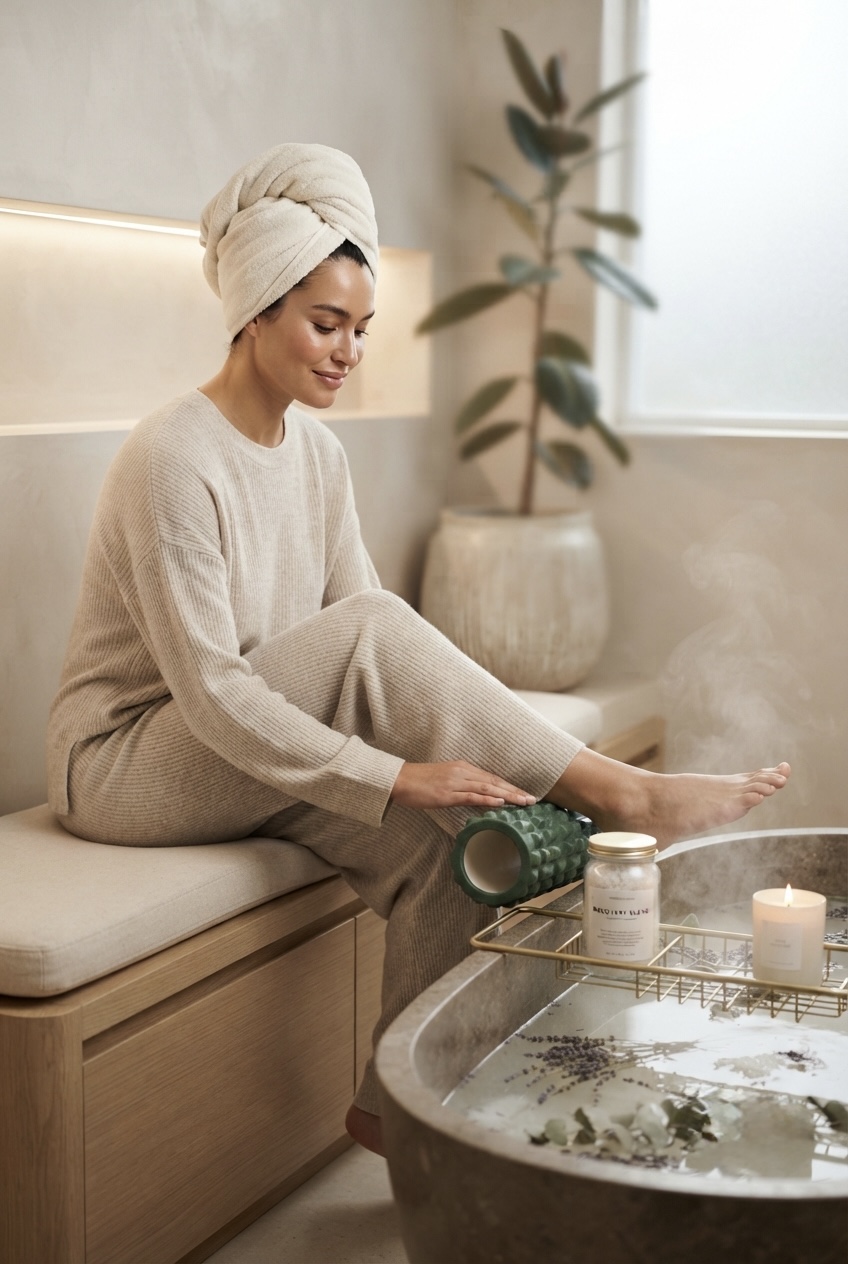
Mobility work, foam rolling, and deep hip openers call for fluid, non-restrictive garments that encourage unrestricted range of motion.Step away from high compression. Instead, choose soft modal blends, bamboo-viscose jersey, or seamless lightweight knits. Wide-leg studio pants with an elasticated fold-over waistband offer easy drape. On top, wear a relaxed wrap cardigan with long tie closures that adjust smoothly around your torso.
Keep a wool-blend blanket and an expanded polypropylene foam roller nearby. Layer up with ribbed cashmere crew socks to keep your ankles warm during long floor stretches. Look for mobility pants with an interior ankle cinch cord so you can tighten the hems during inverted stretches.
Barre Conditioning & Resistance Circuits
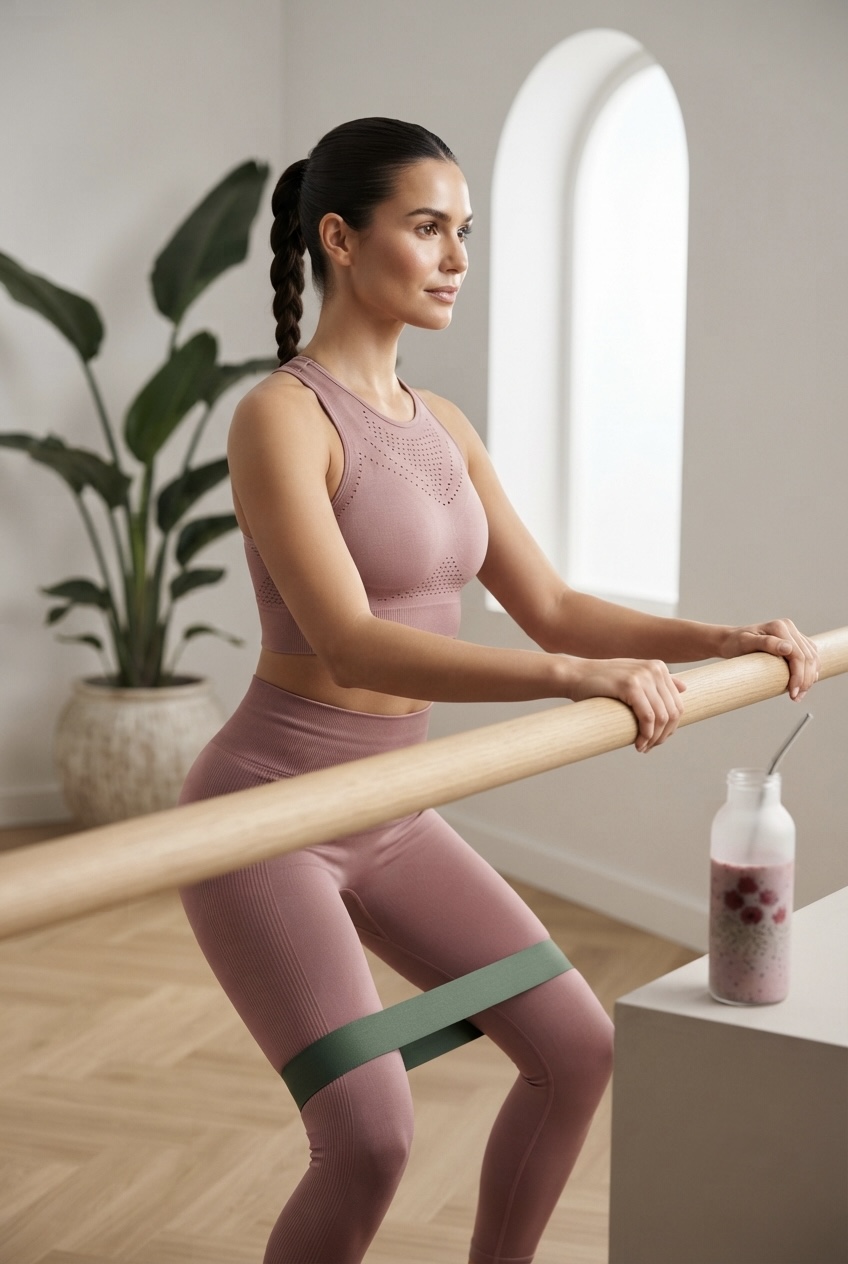
Barre and resistance-band workouts use high repetitions and micro-movements, requiring gear that stays locked in place regardless of movement angles.An all-in-one athletic unitard constructed from a high-elastane (minimum 25%) compression knit is an excellent choice. A one-piece design eliminates shifting, riding up, or waistbands rolling down during deep pliés and leg lifts. Look for built-in shelf bras with removable cups and wide shoulder straps.
Add silicone-coated 1-to-2-pound ankle and wrist weights in neutral shades to add resistance without compromising form. Secure your hair in a low bun with a silk scrunchie. For resistance-band exercises, choose activewear with a matte, lightly textured weave; slick, shiny fabrics cause elastic loops to snap and roll.
Post-Studio Restorative Loungewear
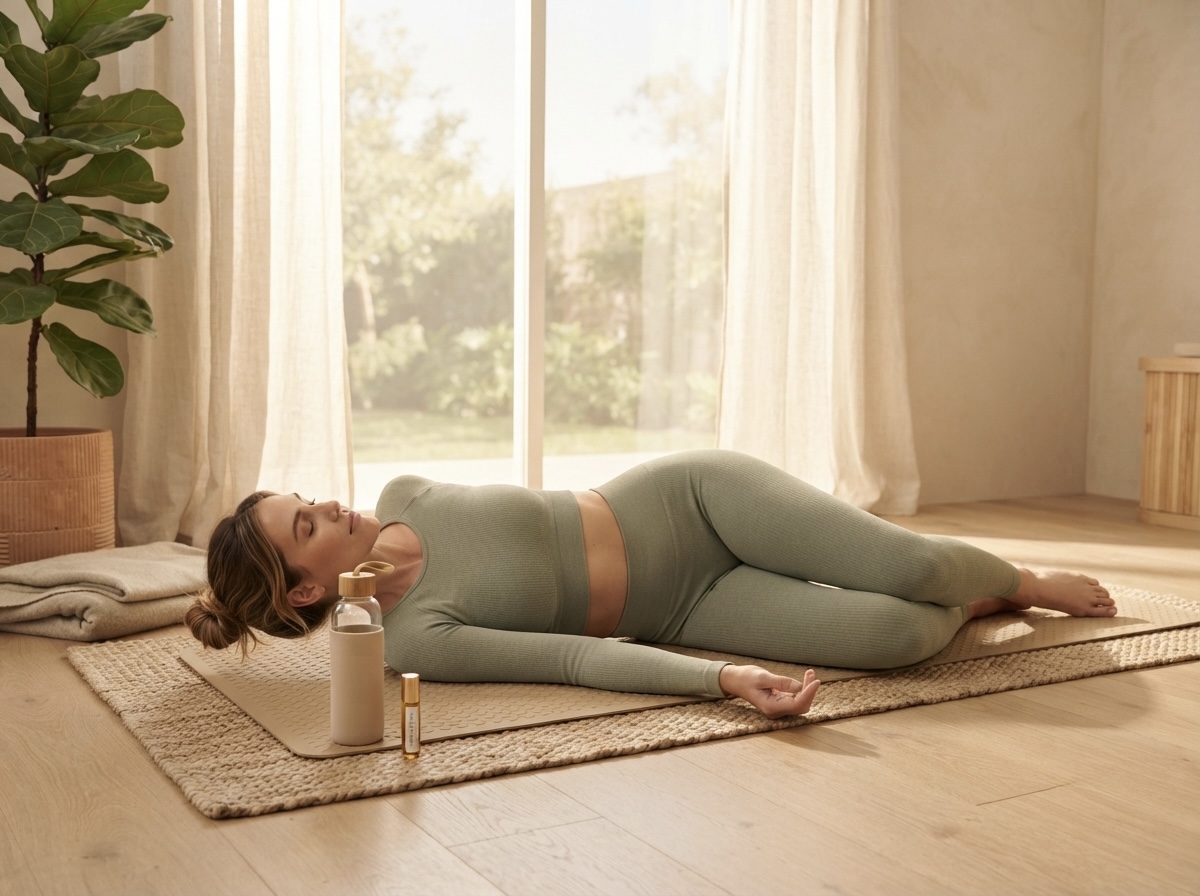
Physical recovery continues after your workout finishes. Winding down requires transitioning into breathable, temperature-regulating loungewear designed for relaxation.Choose 100% two-ply cashmere, dense French terry cotton (350+ GSM), or heavy modal knits. Structured wide-leg sweatpants paired with a matching half-zip pullover offer warmth without trapping perspiration. The relaxed drape prevents skin irritation and supports circulation after intensive movement.
Pair your loungewear with shearling-lined suede slippers at home. When stepping out for an iced tea or a post-workout recovery smoothie, swap slippers for chunky leather slides or minimalist canvas trainers, and layer a structured wool-blend trench coat over top.
Activewear & Recovery Gear Matrix
Routine Phase | Core Silhouette | Ideal Fabric Composition | Essential Accessory | Footwear Choice |
|---|---|---|---|---|
Pilates & Core | High-rise 7/8 compression tights + crop bra | 75% Nylon / 25% Elastane (240 GSM matte finish) | Organic cotton honeycomb grip socks | Studio grip socks / Barefoot |
Incline Walking | 6-inch biker shorts + relaxed crewneck tee | 100% Heavyweight Supima cotton; Polyamide shorts | Nylon crossbody bag + cotton cap | Dual-density EVA running sneakers |
Upper Body Strength | Compressive ribbed bra top + support tights | Micro-ribbed nylon-spandex composite | Silicone-coated wrist wraps | Flat zero-drop lifting trainers |
Mobility & Stretch | Wide-leg studio pants + wrap cardigan | 95% Bamboo-viscose / 5% Spandex jersey | Dense wool-blend blanket + foam roller | Ribbed cashmere crew socks |
Barre & Sculpt | Square-neck athletic unitard | High-compression nylon-spandex (28% Lycra) | Matte silicone 1-2 lb ankle weights | Low-profile studio grip socks |
Deep Recovery | Relaxed wide-leg trousers + matching half-zip | 100% Two-ply cashmere or 380 GSM French terry | Silk hair wrap + insulated water bottle | Shearling-lined suede slides |
Frequently Asked Questions
The best beginner routine focuses on consistency and joint-friendly movement rather than extreme intensity. A combination of low-impact mat Pilates 2 to 3 times per week, paired with daily brisk walking (4,000 to 10,000 steps) and one dedicated stretching or mobility day, builds foundational core strength without causing joint pain or severe fatigue.