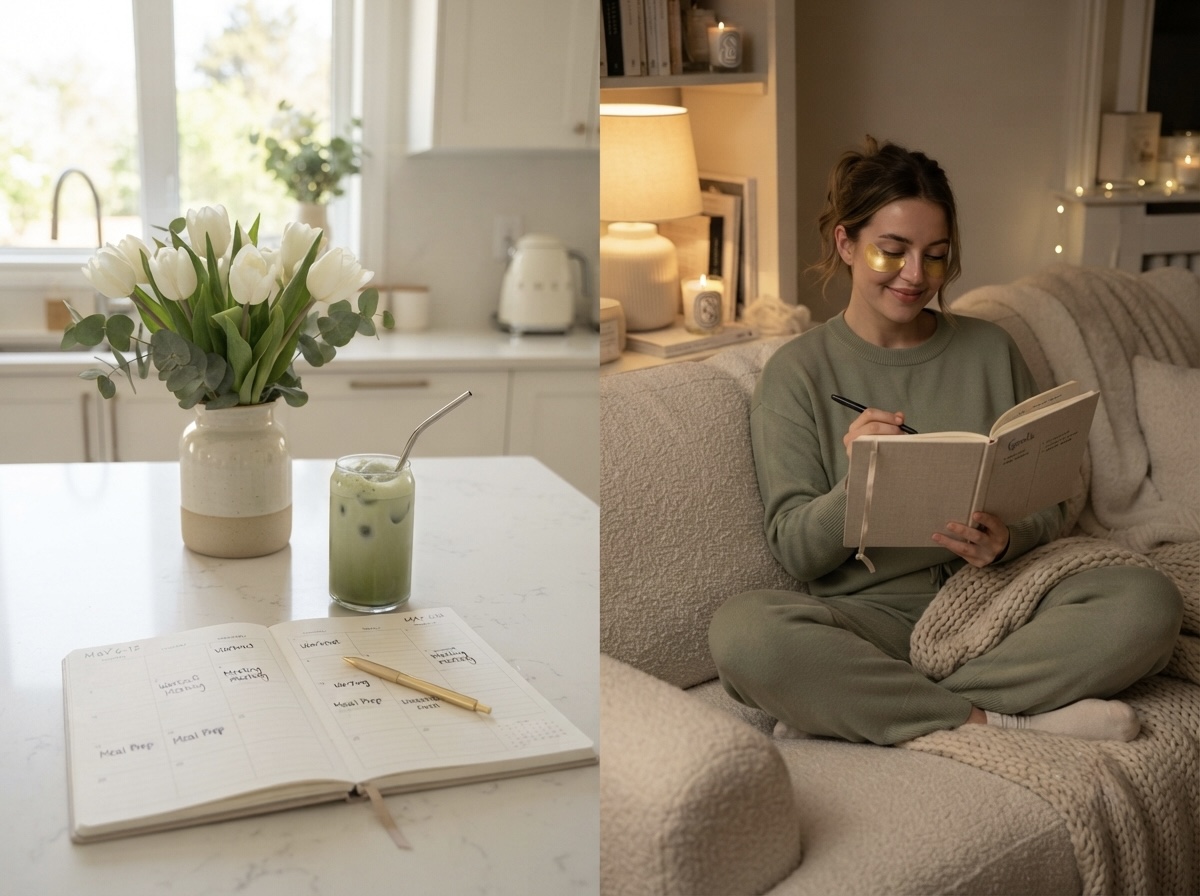
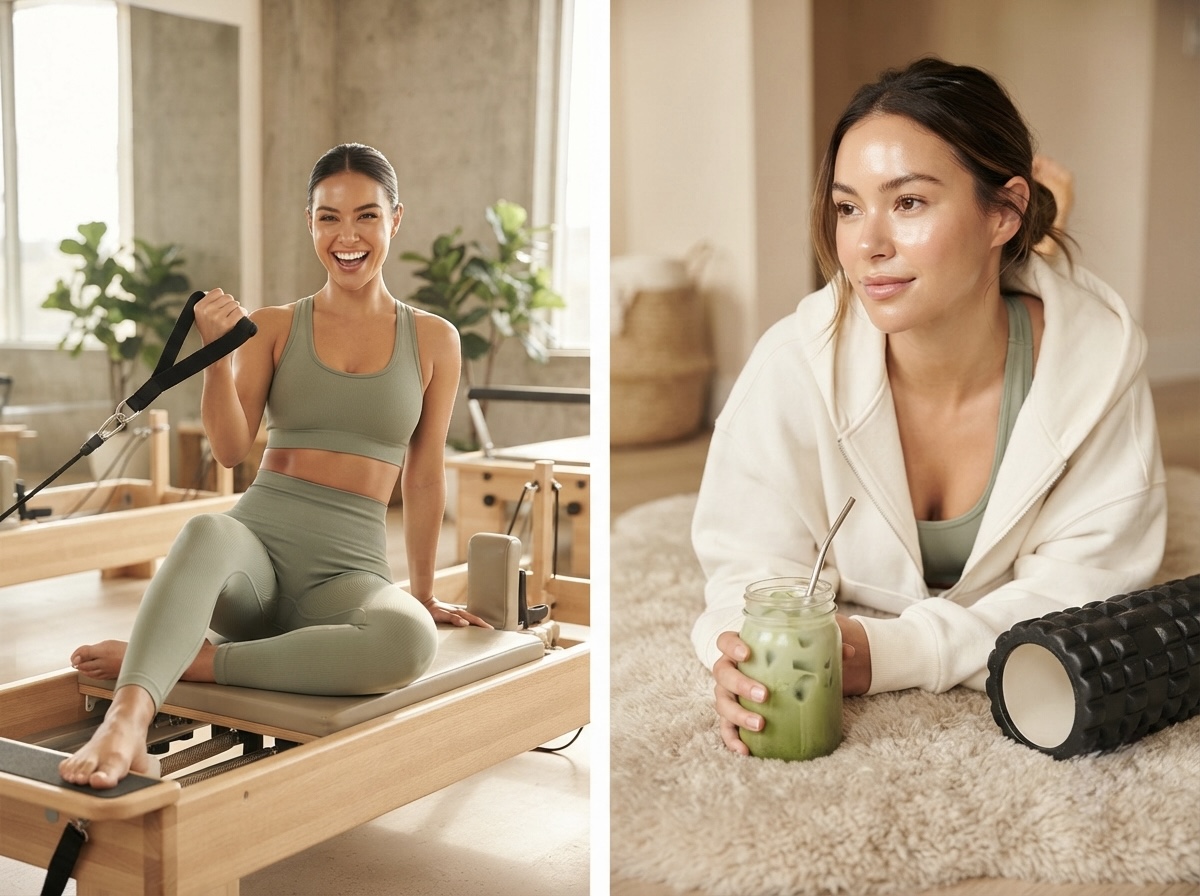
Balancing Form and Function: The Role of Intentional Wardrobe Shifts
Working from home or navigating hybrid office schedules often blurs the line between professional focus and evening rest. Spending the entire day in stiff suiting while trying to unwind leaves you physically restricted, while remaining in loose sleepwear around the clock can make it harder to settle into deep, structured work. Changing your clothing between these parts of the day creates a practical, physical boundary between your working hours and your downtime.
When your clothes fit the tasks in front of you, staying focused feels much more natural. But true productivity requires real rest at the end of the day—a deliberate break that lets you recharge without carrying work stress into the evening. Getting dressed with purpose is not about following rigid fashion rules; it is about choosing garments that genuinely support your routine. Wearing supportive tailoring during your working hours and switching to soft, breathable pieces in the evening establishes a dependable daily rhythm.
Daytime Utility: Tailoring Built for Long Hours and Movement
A dependable workday wardrobe depends on garment construction and fabric resilience rather than fast-fashion trends. Mid-weight woven fabrics—like tropical wool blends, structured double-weave crepe, and dense cotton poplin—hold their shape through an eight-hour day without creasing heavily across your lap. Lighter, untreated linens often wrinkle deeply within thirty minutes of sitting, while heavy polyester blends trap body heat and lack airflow during a busy morning commute. Selecting fabrics that breathe while retaining structure keeps you comfortable without looking disheveled by mid-afternoon.
When choosing office trousers for long desk sessions, look for high-rise cuts with forward-facing pleats. Front pleats give your thighs and hips room to expand naturally when seated, preventing the front waistband from pinching across the stomach. Pair these trousers with a high-thread-count poplin shirt tucked cleanly into the waistband. For footwear, select almond-toe leather loafers with reinforced soles or low block-heel slingbacks that provide solid arch support when walking between appointments.
Styling Tip: If a tailored blazer feels stiff during keyboard work, roll the cuffs back once toward your forearms. This frees your wrists, keeps fabric from dragging against your desk, and creates a clean, relaxed line while you work.
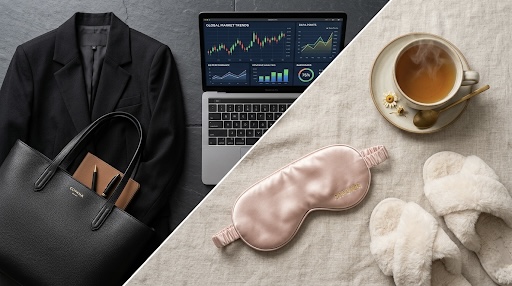
Off-Duty Layers: Selecting Tactile Fabrics for Domestic Comfort
Stepping away from your desk is much easier when you swap structured garments for soft, flexible textiles. Instead of falling back on worn-out sleep shirts or synthetic fleece that traps perspiration, build an evening off-duty rotation using breathable natural fibers like medium-weight modal rib, organic French terry cotton, or washable silk. These materials feel smooth against the skin, allow body heat to dissipate, and hold up well to frequent home washing.
For evening bottoms, choose lounge trousers with a flat-front panel and an elasticized back. This construction provides the stretch and comfort of sweatpants while avoiding the excess bulk of a gathered drawstring waist, keeping your silhouette neat if you need to step outside for quick errands or walk the dog. Combine these with an unstructured ribbed knit sweater in a neutral shade like warm oat or slate grey. Complete the look with shearling-lined suede mules and replace daytime hair ties with a smooth cellulose claw clip to prevent scalp tension.

3 Functional Wardrobe Habits to Elevate Your Daily Rhythm
Taking care of your daily well-being works best when it is integrated directly into your schedule rather than saved for occasional, expensive getaways. Small, practical adjustments to what you wear can reset your mindset throughout the day.
- Upgrade from Worn Tees to Coordinated Knits: Swap oversized old sleep shirts for coordinated bamboo jersey or fine-gauge cotton sets. Choosing lounge tops with structured necklines—such as a clean mock neck or a wide boatneck—maintains an intentional, pulled-together appearance even when you are relaxing at home or taking an unexpected video call.
- Rely on a Single Defined Accessory: You do not need an elaborate jewelry stack to look put-together. When styling basic denim and a plain crewneck tee, add one clear focal piece: a hand-rolled silk twill scarf knotted neatly at the collar, a domed brass ring, or an embossed leather shoulder bag. Keeping other jewelry minimal leaves your neckline clean and comfortable.
- Build an Analog Weekend Uniform: Set aside casual clothes specifically for morning walks, coffee runs, or screen-free downtime. Pair 100% cotton denim—which holds a vintage, straight-leg drape without clinging—with a breathable, garment-dyed linen button-down. Wear the shirt unbuttoned over a ribbed tank, add woven leather sandals or classic leather court sneakers, and carry an unlined canvas tote.
Practical Wardrobe Matrix: Office Hours vs. Evening Off-Duty
A balanced wardrobe supports high-focus workdays alongside intentional rest. Use this side-by-side guide to curate key pieces for both parts of your day:
Garment Category | Structured Workwear | Relaxed Downtime Alternative |
|---|---|---|
Tops & Layering | Tailored double-breasted blazer; crisp cotton poplin shirt | Fine-gauge ribbed sweater; unstructured wrap cardigan |
Trousers | High-rise wool trousers with forward pleats | Flat-front modal lounge pants; drawstring silk trousers |
Footwear | Sturdy leather horsebit loafers; low slingback heels | Shearling-lined suede slides; woven slip-on mules |
Bags & Accessories | Structured leather laptop tote; minimal link watch | Unlined canvas carryall; silk scrunchie |
Personal Care | Satin-finish lipstick; blue-light filtering spectacles | Hydrating peptide lip balm; weighted silk eye mask |
Curating Your Personal Balance
Creating a wardrobe that supports your daily goals means recognizing that your downtime deserves just as much thought as your professional hours. By choosing clothes with comfortable cuts, durable fabrics, and sensible tailoring, you build an environment where focused work and genuine rest complement each other seamlessly.
Frequently Asked Questions
Changing out of daytime garments provides a physical marker that the workday is over. Switching from restrictive waistbands and collars to soft, breathable knits allows you to physically relax and mentally step away from desk tasks.